Selling a Craftsman Home in Oakland the Smart Way
May 21, 2026
May 21, 2026
If you own an Oakland Craftsman, you already know the charm is real. The porch, the millwork, the rooflines, and the old-growth details are often the very things buyers fall for first. But in a fast-moving market where homes are getting about three offers on average and selling in roughly 15 days, you may only get a moment to make that first impression count. The good news is that you do not need a full remodel to prepare well. You need a smart plan that protects character, photographs beautifully, and focuses your budget where buyers will notice it most. Let’s dive in.
Oakland has a large historic housing stock and a formal preservation system. The City reports about 160 designated landmarks and preservation districts since 1973, plus nine designated preservation districts with about 1,500 buildings. That matters because older homes may have ratings or preservation status that affect how exterior changes are reviewed.
For a Craftsman seller, this creates a helpful guardrail. The goal is not to make your home look like every other renovated listing. The goal is to present it as a well-cared-for Oakland Craftsman that still feels authentic.
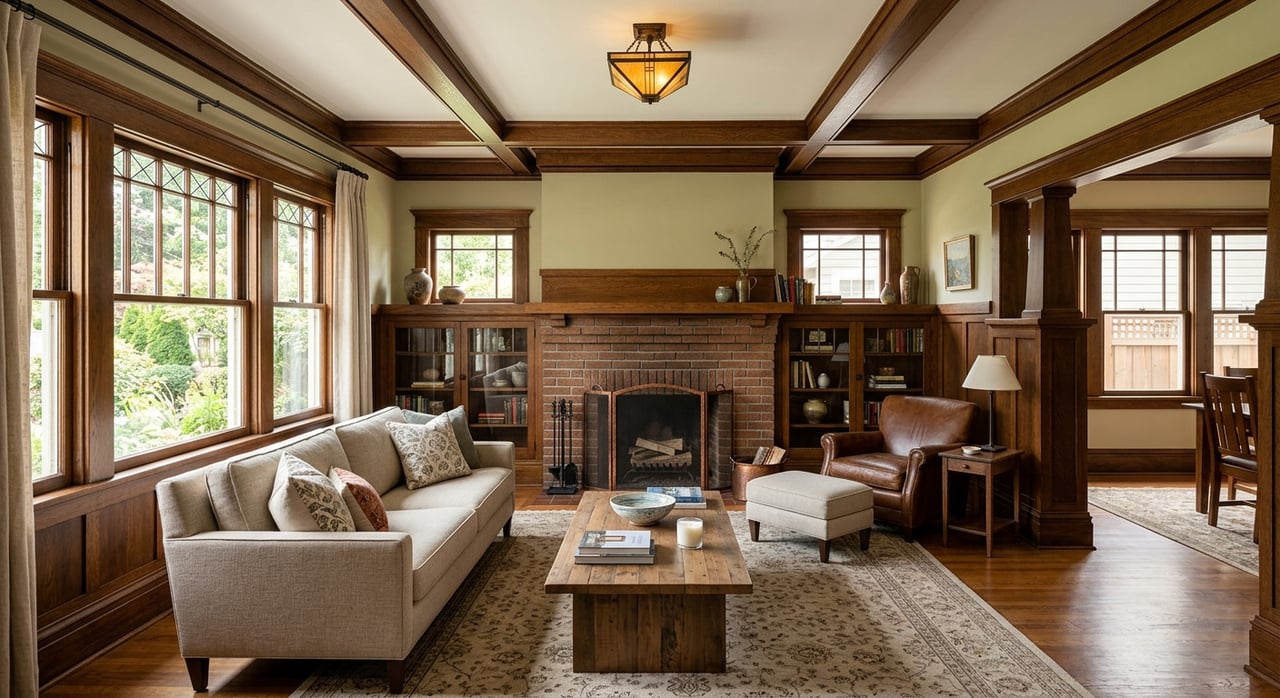
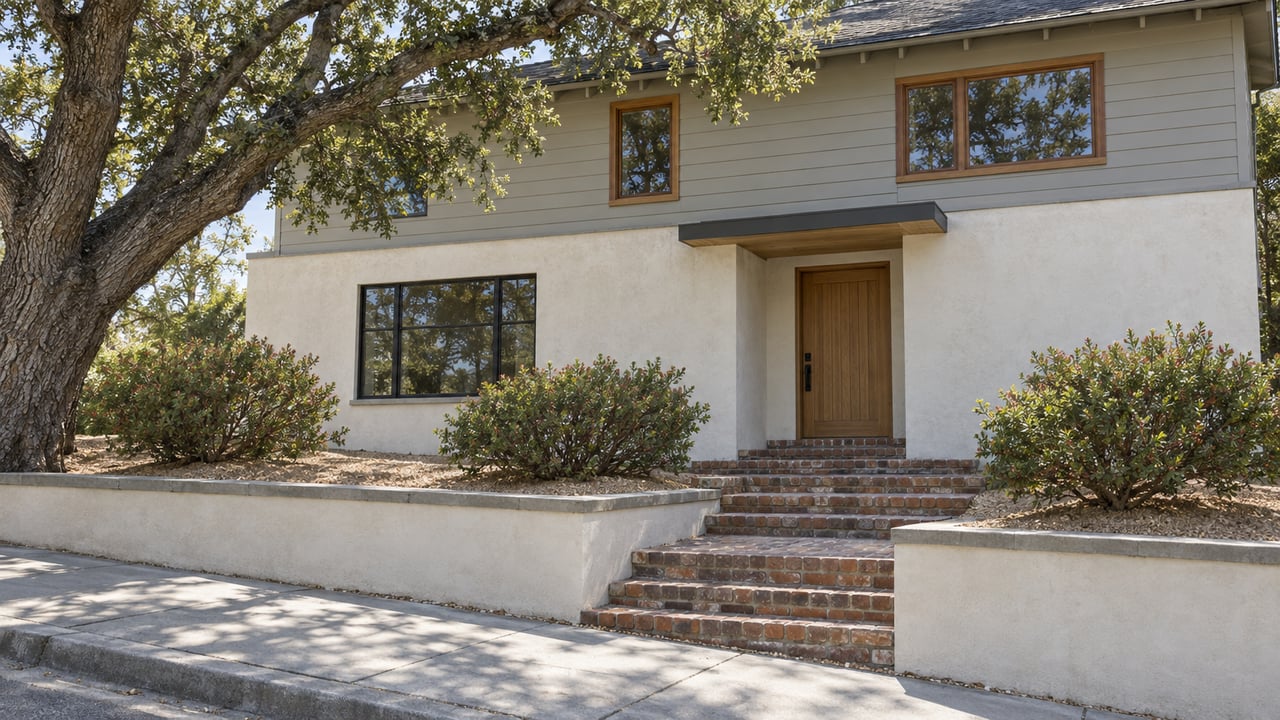
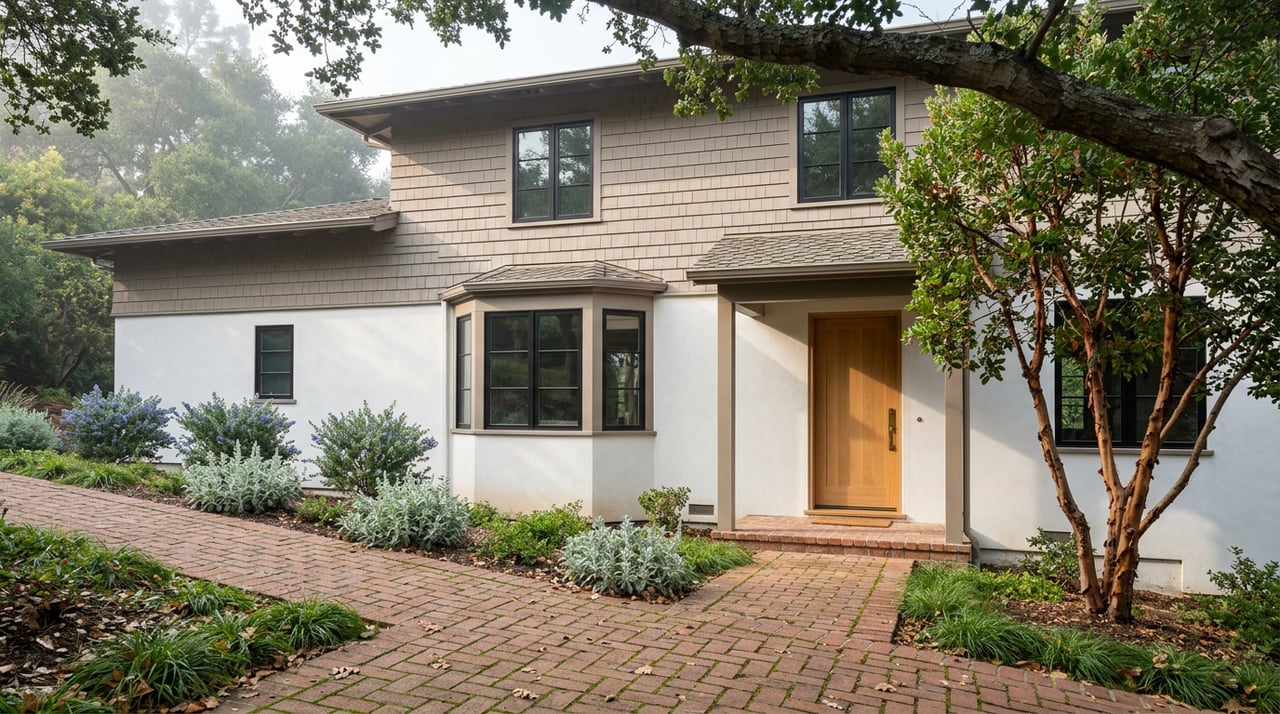
Oakland’s design guidance describes Craftsman-era homes with features like low-pitch gable roofs, deep eaves, exposed timber or wood joinery, porches, stone skirts, wood shingle siding, and tall or grouped windows. Those are not small details. They are often central to how buyers read the home’s quality and history.
Before you plan any work, step back and identify the features that give your home its identity. On many Oakland Craftsman homes, that means the front elevation, porch, windows, trim, siding pattern, and roof form. If those pieces still read clearly, you are already ahead.
In most cases, the smartest pre-sale prep is repair and refresh first. Oakland’s standards generally favor work that visually matches the existing or historic design. Like-for-like replacements and compatible exterior work can also be treated more favorably than redesigning visible features.
That means your best move is often to clean, repair, repaint thoughtfully, and restore function. It is usually not the moment to flatten original detail, enlarge openings, or introduce trendy exterior changes that compete with the home’s period style.
Today’s buyers usually see your home online before they ever step onto the porch. According to the 2025 Profile of Home Staging, photos are the most important listing asset, followed by physical staging, videos, and virtual tours. In a market as fast as Oakland, that visual first impression matters even more.
The same staging data found that 83% of buyers’ agents said staging makes it easier for buyers to visualize a property as their future home. Sixty percent said staging affects most buyers most of the time. For sellers, that is a strong case for simple, polished presentation.
The highest-priority rooms to stage are the living room, primary bedroom, and kitchen. If you are deciding where to spend your energy, start there. For a Craftsman, that often means letting original built-ins, fireplace details, woodwork, and natural light take center stage while removing visual clutter.
If you are selling within the next 6 to 18 months, restraint usually pays off better than a major remodel. Pacific region data from the 2025 Cost vs. Value report shows that targeted, visible updates tend to outperform larger discretionary projects before sale.
Among the strongest-return exterior projects in the region were garage door replacement, steel entry door replacement, manufactured stone veneer, fiber-cement siding replacement, and a midrange minor kitchen remodel. These are regional averages, not Oakland-specific appraisals, but they support a practical idea: visible improvements with broad buyer appeal often do better than expensive expansions.
By contrast, large projects such as bathroom additions, upscale bath remodels, accessory dwelling units, and primary-suite additions recouped much less in the same data set. If your goal is to prepare for market, not create your forever home, that is an important distinction.
For most Oakland Craftsman sellers, the strongest pre-sale investments are the ones that make the home feel cared for, functional, and easy to understand.
Consider prioritizing:
This type of work supports both buyer appeal and Oakland’s design standards. It also helps your home present as intact and thoughtfully maintained rather than overworked.
The wrong prep choice can cost money and weaken the home’s appeal. Craftsman buyers are often drawn to original character, so over-renovation can erase some of the value you already have.
Try to avoid:
Oakland’s guidance recommends harmonious, subdued palettes and notes that pre-Art Deco buildings generally used warm colors with light and dark earth tones. It also advises against painting natural materials that were not intended to be painted. For a Craftsman exterior, subtlety usually looks more expensive and more appropriate.
If your home has original or older windows, do not assume replacement is the default answer. Oakland’s standards favor windows that match the original type, proportion, material, trim, and grouping. If a window can be repaired or replaced in a visually matching way, that is often a safer path than introducing a new style.
The same principle applies to siding and doors. If you replace a failing element, the more closely the new work matches the home’s design, the better. Buyers may not know the exact rule, but they can usually tell when a façade feels consistent and when it does not.
This is one reason a calm, design-aware prep strategy matters so much with Oakland Craftsman homes. You are not just updating. You are editing carefully.
Before you start any exterior project, check whether your home is a designated historic property, a heritage property, or a contributor or potential contributor within a preservation district. In Oakland, exterior changes on designated historic properties can be subject to design review. Some higher-rated potentially designated historic properties may also require environmental review under CEQA.
That may sound intimidating, but it is far better to know early. It can shape your timeline, your contractor scope, and your design decisions. It can also help you avoid spending money on work that creates delays.
If your project includes exterior alteration or conversion to habitable space, Oakland requires zoning review and a building permit. The City also states that all building permits require an approved WRRP recycling plan before permit issuance.
If you are unsure where to begin, use this order of operations:
Walk the exterior and interior with fresh eyes. Note the original details that anchor the home’s style, especially at the front façade and in the main living spaces.
Check whether the property has historic or preservation status before finalizing any exterior changes. This is especially important if you are considering window, siding, porch, or roof-related work.
Address items like peeling paint, damaged trim, worn steps, sticking doors, dated light fixtures, or tired landscaping. Small issues can make buyers worry about bigger hidden ones.
Choose updates that improve function and visual clarity without changing the home’s character. Think refinishing, repainting, lighting, and modest kitchen polish.
Put the most effort into the living room, primary bedroom, and kitchen. Those spaces help buyers imagine daily life in the home.
Because photos are the top listing asset, preparation should support strong photography. That means clean surfaces, edited furnishings, good lighting, and a consistent design story.
Oakland buyers often want both charm and ease. They are looking for homes with soul, but they also want spaces that feel clean, functional, and move-in ready enough to understand quickly. A well-prepared Craftsman can do both.
The best listings do not hide the home’s age. They show that the home has been respected. In practice, that usually means preserving visible character, solving obvious condition issues, and presenting the house with warmth, light, and confidence.
That is also where thoughtful seller prep becomes more than a checklist. With the right guidance, you can decide what is worth doing, what should stay untouched, and how to bring the home to market in a way that feels true to Oakland and true to the house itself.
If you are getting ready to sell an Oakland Craftsman, a strategic prep plan can save time, avoid missteps, and help your home stand out for the right reasons. When you want hands-on guidance around renovation choices, staging, pricing, and polished marketing, Gretchen Roethle can help you prepare with clarity and care.
Stay up to date on the latest real estate trends.



Let us guide you through every step of your real estate journey.