Design-Led Updates That Resonate With Kensington Buyers
July 2, 2026
July 2, 2026
Wondering which home updates actually matter before you sell in Kensington? In a neighborhood known for early 20th-century character, buyers often respond best to homes that feel cared for, cohesive, and true to their original style. If you are preparing to list within the next year, the smartest improvements are usually the ones that polish what is already there instead of trying to reinvent it. Let’s dive in.
Kensington is not a blank-slate neighborhood, and that shapes what buyers notice. The City of San Diego describes it as a historic early subdivision with stone gateways, ornamental lighting, curving streets, and a miniature Main Street along Adams Avenue.
That context matters when you are deciding where to spend your time and money. In a place with strong architectural identity and possible historic-district relevance, updates that preserve charm usually land better than changes that strip it away.
The city also identifies Kensington as a strong candidate for historic district designation. If your home has historic-resource considerations, exterior changes may need extra review, so it is wise to confirm that early in the process.
Before you think about design upgrades, handle the basics that affect how your home feels on first impression. Buyers are less willing to compromise on condition than they were before, so visible maintenance issues can weigh more heavily than they once did.
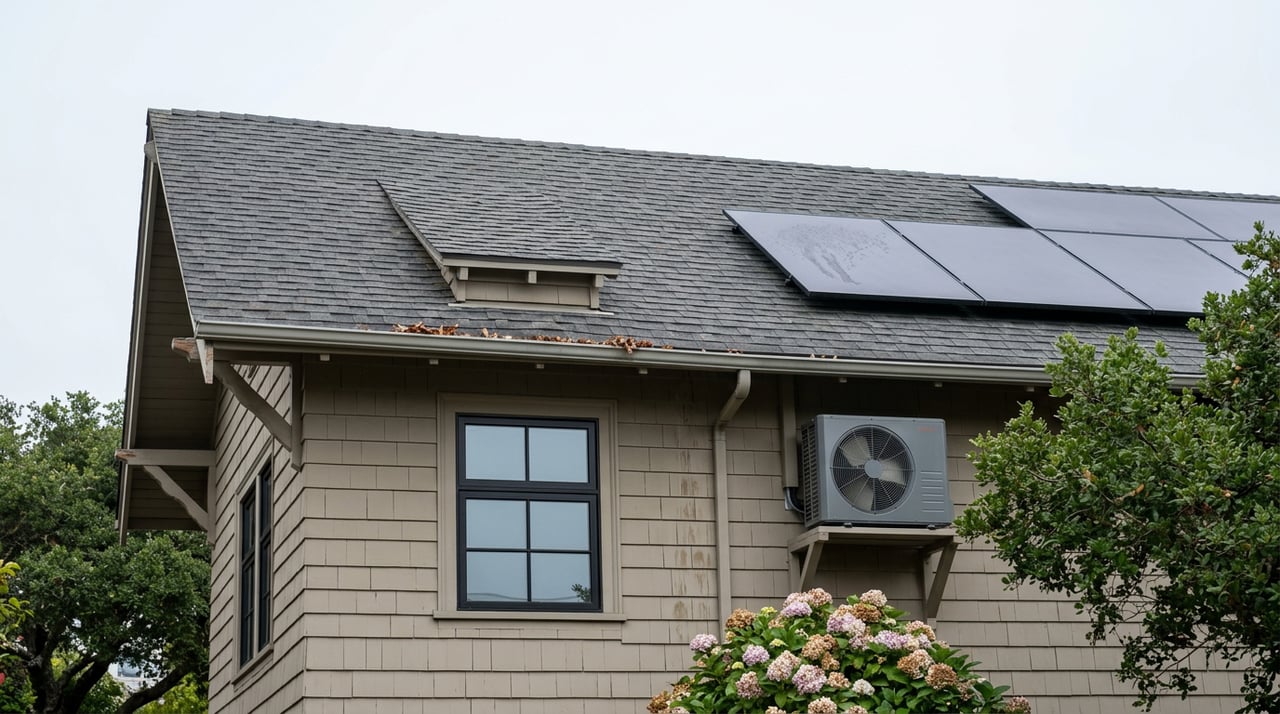
Focus first on leaks, peeling paint, worn hardware, dim lighting, and neglected landscaping. These are not flashy projects, but they often do the most to signal that a home has been responsibly maintained.
For many Kensington sellers, that alone creates momentum. A home that feels solid, clean, and well-tended gives buyers confidence before they start judging finishes.
If there is one room where thoughtful updates can pay off, it is the kitchen. The 2025 Remodeling Impact Report gave a kitchen upgrade a Joy Score of 10, and real estate professionals said kitchen upgrades were among the projects seeing the biggest increase in demand over the last two years.
That does not mean you need to gut the space. In Kensington, a light-touch kitchen refresh is often the better move, especially in homes where original scale and character are part of the appeal.
A smart kitchen refresh may include:
These changes can make the kitchen feel current without disconnecting it from the rest of the house. Unless the layout is truly dysfunctional, major reconfiguration may not be the best use of your pre-sale budget.
Kensington buyers are often drawn to homes with personality and architectural coherence. If the rest of your home reads as warm, classic, or period-inspired, an ultra-trendy luxury kitchen can feel mismatched.
The goal is not to make your kitchen look expensive at all costs. The goal is to make it feel clean, functional, and in sync with the home buyers came to see.
Some of the most effective pre-sale updates are also the simplest. According to the 2025 Remodeling Impact Report, painting is one of the projects most often recommended before listing, and outdoor paint-related work also performs well.
Fresh paint gives buyers a sense of cleanliness and care. In a character neighborhood like Kensington, a restrained palette and crisp paint lines usually feel more compelling than bold, highly personalized color choices.
Lighting matters just as much. Replacing dated fixtures and improving weak lighting can shift the mood of a home quickly, helping rooms feel more inviting and functional.
Prioritize areas where buyers notice wear first:
These updates are especially useful when your house already has strong bones. They help the home show at its best without creating unnecessary construction.
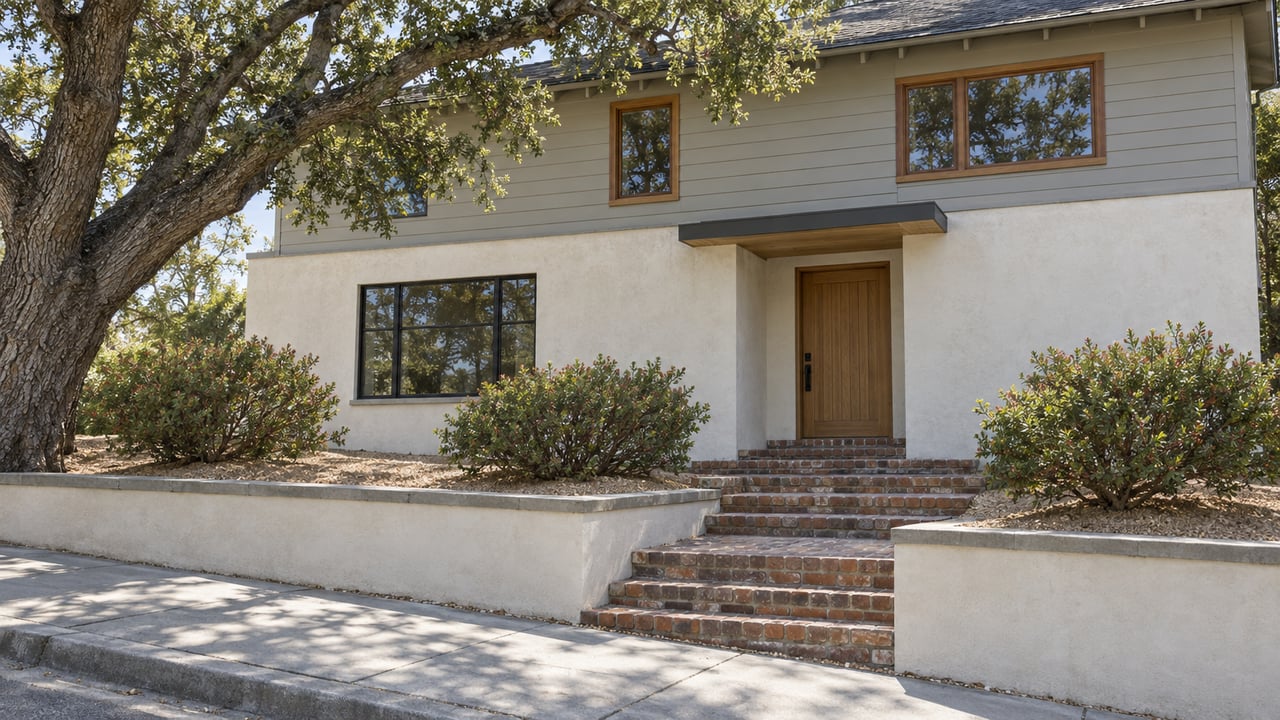
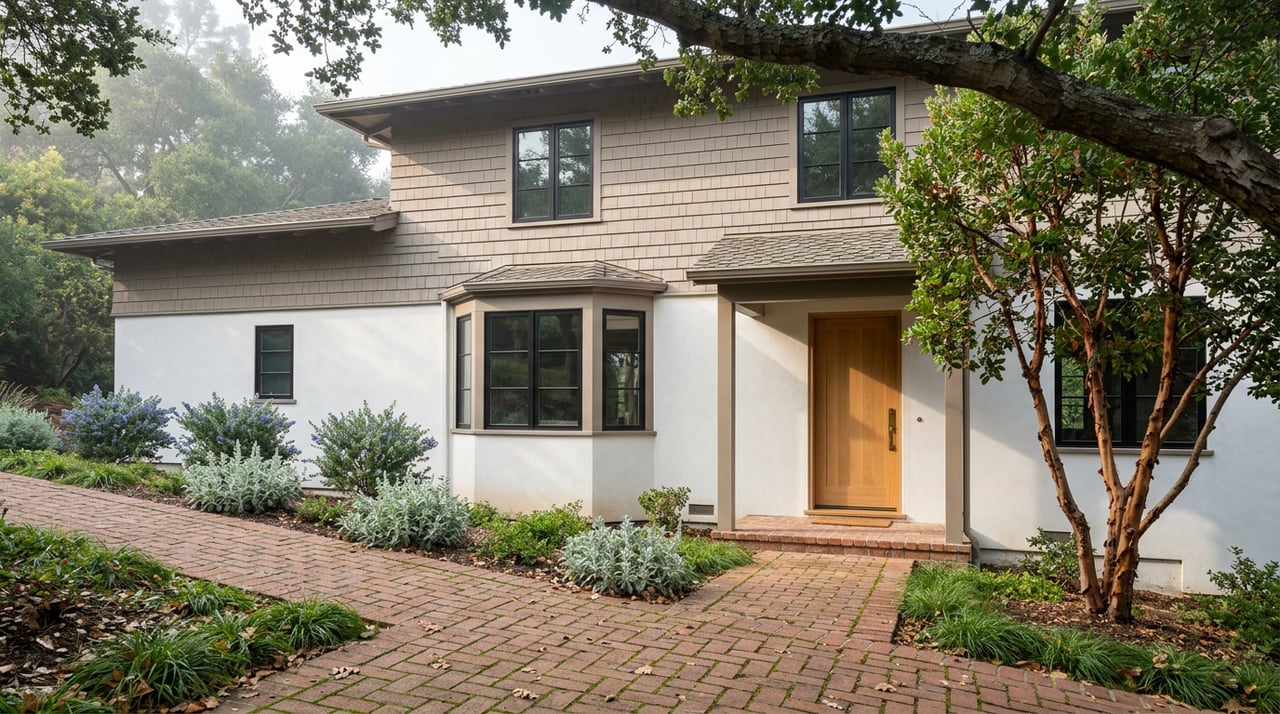
Curb appeal carries real weight. In NAR's outdoor-features report, 92% of real estate professionals said they recommend improving curb appeal before listing, and nearly all said curb appeal matters to potential buyers.
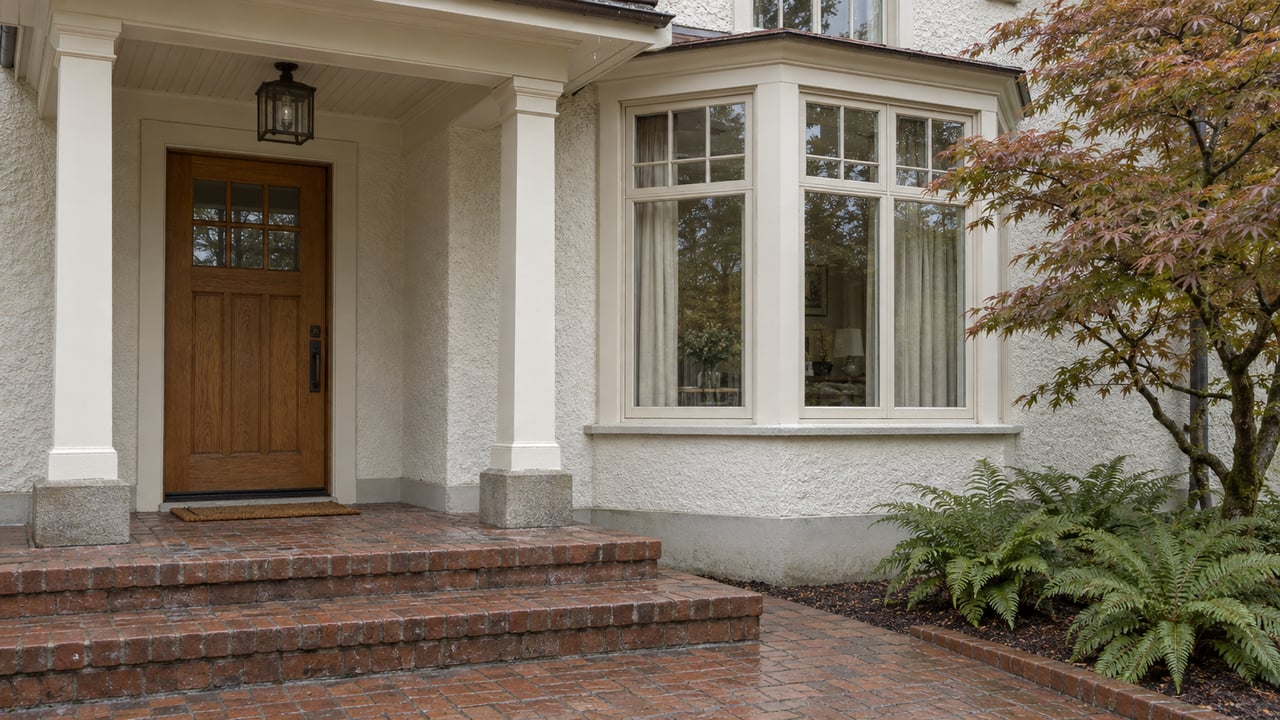
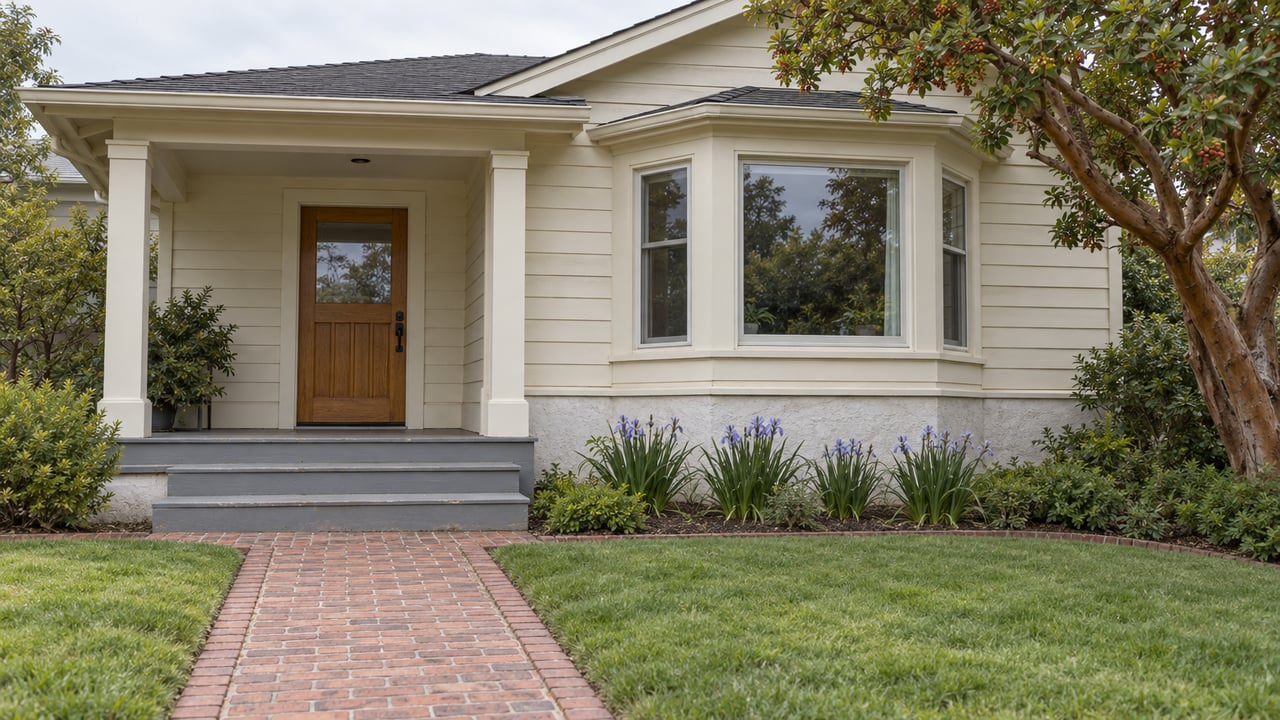
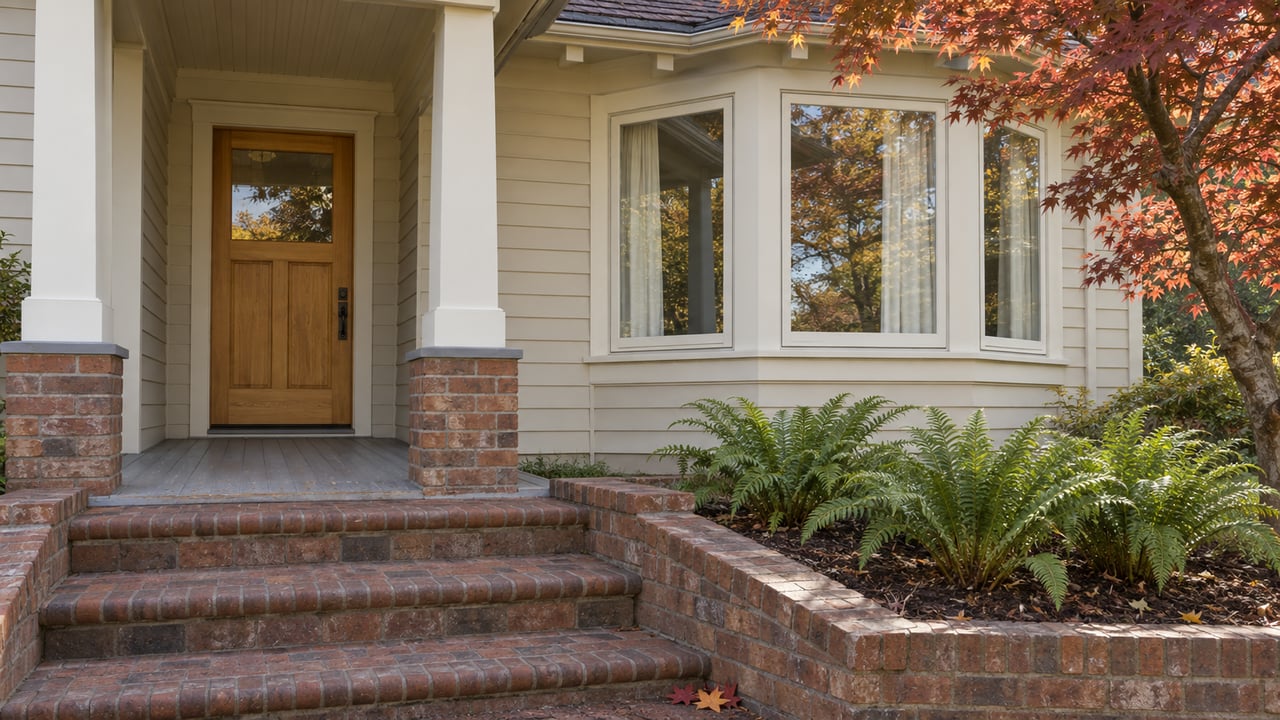
That is especially relevant in Kensington, where the streetscape and architectural details are part of the neighborhood experience. Buyers start forming opinions before they reach the front step.
A focused exterior refresh might include:
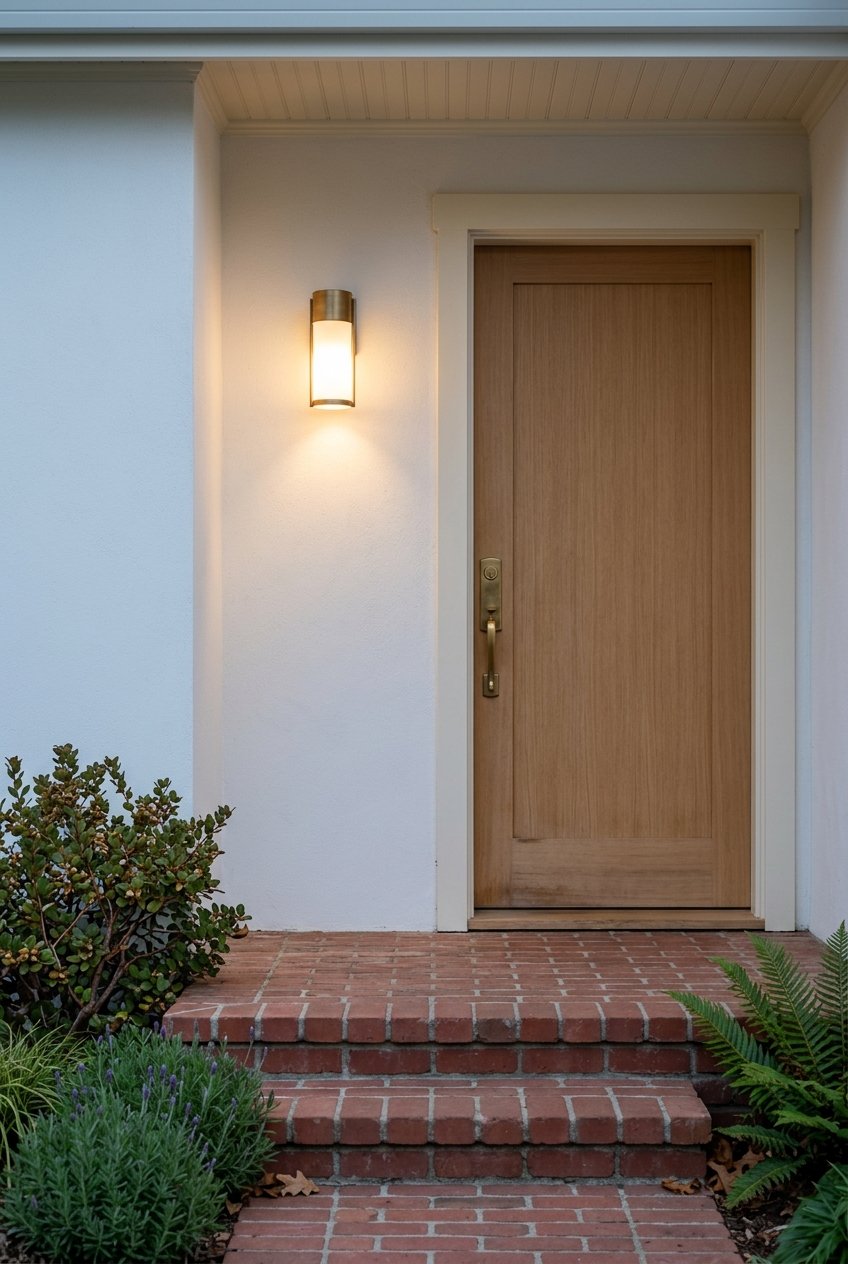
This is one of the clearest places to blend design and value. The 2025 Remodeling Impact Report noted 100% cost recovery for a new steel front door and 80% for a new fiberglass front door, which supports the value of investing in a stronger first impression.
Outdoor improvements matter, but in San Diego, they should also make sense for the climate. The City of San Diego says as much as 60% of California residents' water use is outdoors, recommends replacing lawn with drought-tolerant landscaping, and notes that year-round mandatory water restrictions are in place.
That makes water-wise curb appeal more than a design preference. It is a practical move that aligns with local conditions and can make your home feel easier to maintain.
Instead of reinstalling thirsty turf, consider a design built around:
The California Department of Water Resources also recommends water-efficient plants and efficient irrigation as part of water-smart landscape design. For sellers, this supports a front yard that looks intentional and polished without asking buyers to inherit high water use or heavy maintenance.
One of the biggest mistakes in a character neighborhood is doing too much. Buyers may want updated condition, but that does not automatically mean they want a full luxury reinvention.
In Kensington, overbuilding can show up as finishes that feel out of scale, remodel choices that ignore the home's proportions, or outdoor upgrades that fight the local environment. Those projects are often expensive, time-consuming, and harder to justify before a sale.
A better strategy is to edit carefully. Put your budget toward visible condition, tasteful design consistency, and the areas buyers experience first.
If you are planning exterior changes, do not wait until the last minute to look into approvals. The City of San Diego says that in historic districts, property owners must maintain their property in line with the Secretary of the Interior's Standards and obtain approval before maintenance, restoration, or alteration work.
The city also notes that historic review happens concurrently with other approvals rather than as a separate later step. That means early planning can save time and reduce surprises.
Electrical work is another area to check before you start. The city says electrical work requires a permit, and historically designated or potentially historically designated properties may require plans or calculations rather than a simple no-plan permit.
If you are hoping to list within a year, this is a sensible order of operations:
Take care of anything that signals deferred upkeep. Start with leaks, peeling paint, failing hardware, weak lighting, and landscape neglect.
Refresh the areas buyers see first, including the door, lighting, house numbers, walkway, and planting bed. This can lift the whole presentation quickly.
Improve finishes, function, and lighting before considering layout changes. Keep the scope appropriate for the house.
Before exterior electrical work or facade changes, confirm whether any approvals are needed. It is easier to plan correctly than to redo work later.
The most effective seller prep in Kensington rarely looks flashy. It looks calm, intentional, and well matched to the house.
That is the sweet spot buyers tend to respond to: a home with character, better condition, and thoughtful improvements that make daily life feel easier. If you are preparing to sell and want a strategic plan for what to update, what to skip, and how to present your home well, Gretchen Roethle can help you map out the right next steps.
Stay up to date on the latest real estate trends.


Let us guide you through every step of your real estate journey.