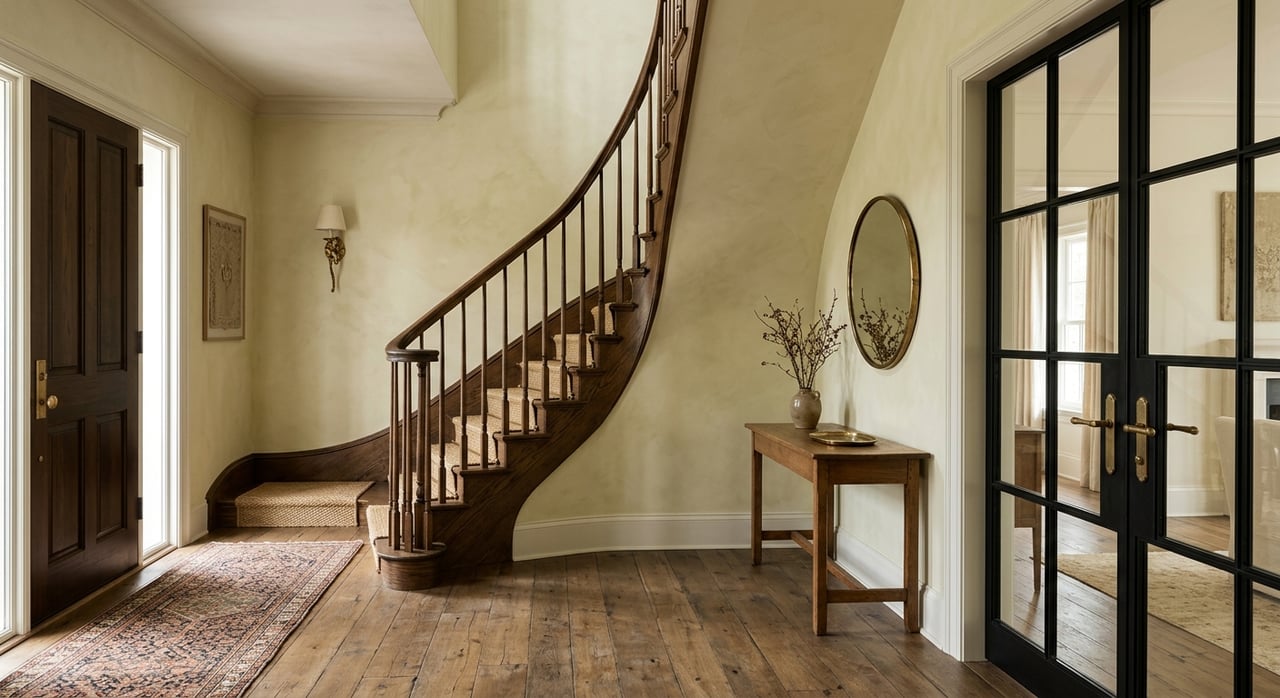
Selling a Home in Piedmont With a Smarter Launch Plan
July 9, 2026
July 9, 2026
If you are thinking about selling in Piedmont, a quick listing plan usually is not enough. This is a small, fast-moving market where older homes, architectural character, and buyer expectations all shape the outcome. When you prepare early and launch with intention, you give yourself a better chance to attract strong interest and a confident offer. Let’s dive in.
Piedmont is a small residential city of about 11,000 residents within roughly 1.7 square miles. According to the city, more than 70% of homes were built before 1940, and more than 95% of single-family homes are in the single-family Zone A. That creates a market with a limited pool of true comparables and a strong focus on character, condition, and presentation.
Current market data also points to a competitive environment. Over the three months ending in May 2026, homes in Piedmont received about 6 offers on average, sold in about 12 days, and had a median sale price near $3.1 million. In a market like that, your first week matters a lot.
That is why sellers here are often competing on more than price alone. Buyers are looking at how well a home shows, how complete the property documentation is, and whether updates feel appropriate to the home itself.
Many sellers picture a two-week sprint to the market, but Piedmont usually rewards a longer runway. If you want to list in a strong seasonal window, it helps to begin planning several months in advance.
National seasonality still plays a role, with activity often increasing in spring and summer. At the same time, Zillow notes that many sellers think about selling for three to four months before they list, and that the typical sale can take 47 to 62 days from listing to closing after prep is finished. That means your ideal timeline should include not just the sale period, but also the work that happens before the sign goes up.
A longer prep window gives you room to:
This kind of pacing often leads to a calmer process and a stronger launch.
In Piedmont, pricing is often less about leaving room to negotiate and more about creating immediate traction. Because homes can move quickly, an overreaching list price can slow showings right when you need the most attention.
When buyer interest is concentrated in the first days on market, a well-positioned price can help create urgency. A weak launch can be harder to recover from in a market where the average home is already moving in less than two weeks.
That does not mean every home should follow the same formula. It means pricing should reflect the home’s condition, character, recent comparable sales, and how buyers are likely to respond in the current moment.
Not every pre-sale project delivers equal value. The strongest evidence supports a focused approach built around visual clarity, confidence, and key living spaces.
In the National Association of Realtors 2025 staging report, 83% of buyers’ agents said staging helps buyers envision a home. The rooms buyers care about most were the living room, primary bedroom, and kitchen. Sellers’ agents most often recommended decluttering, deep cleaning, and curb appeal improvements.
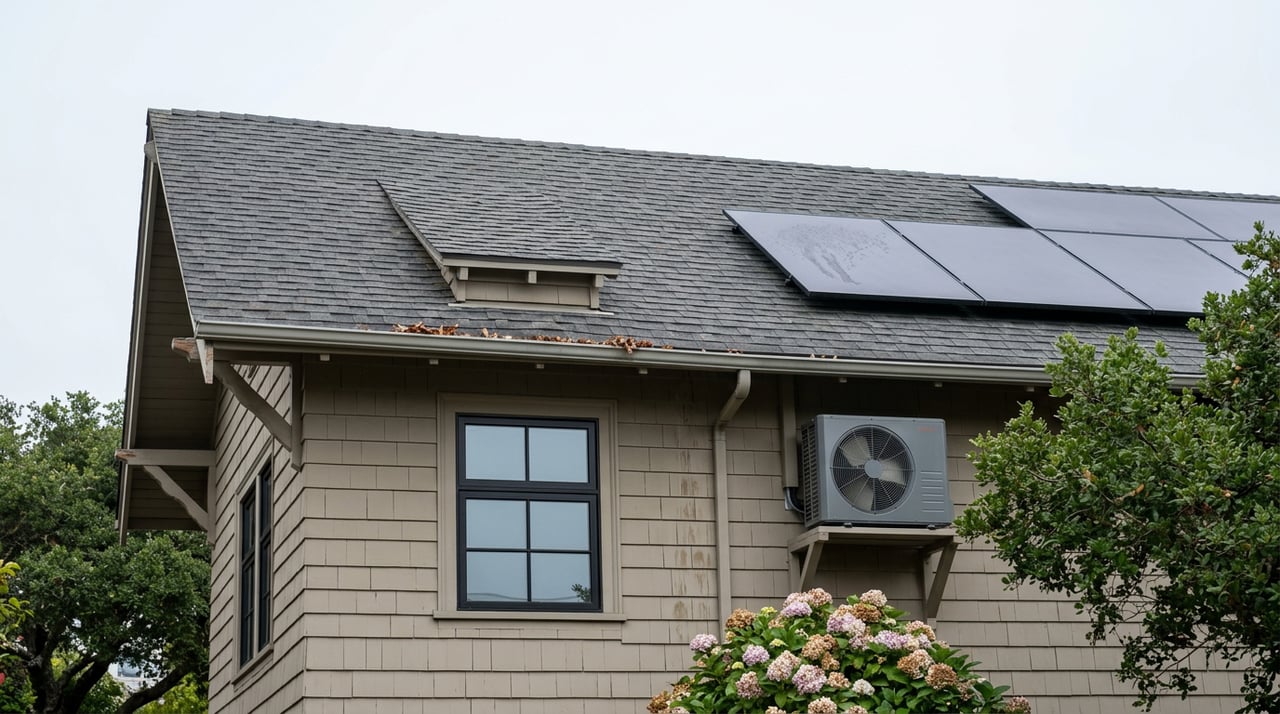
For most Piedmont sellers, that points to a practical checklist:
This is especially important in a market where many homes have beautiful original details. Good preparation helps buyers see those details clearly instead of getting distracted by visual noise.
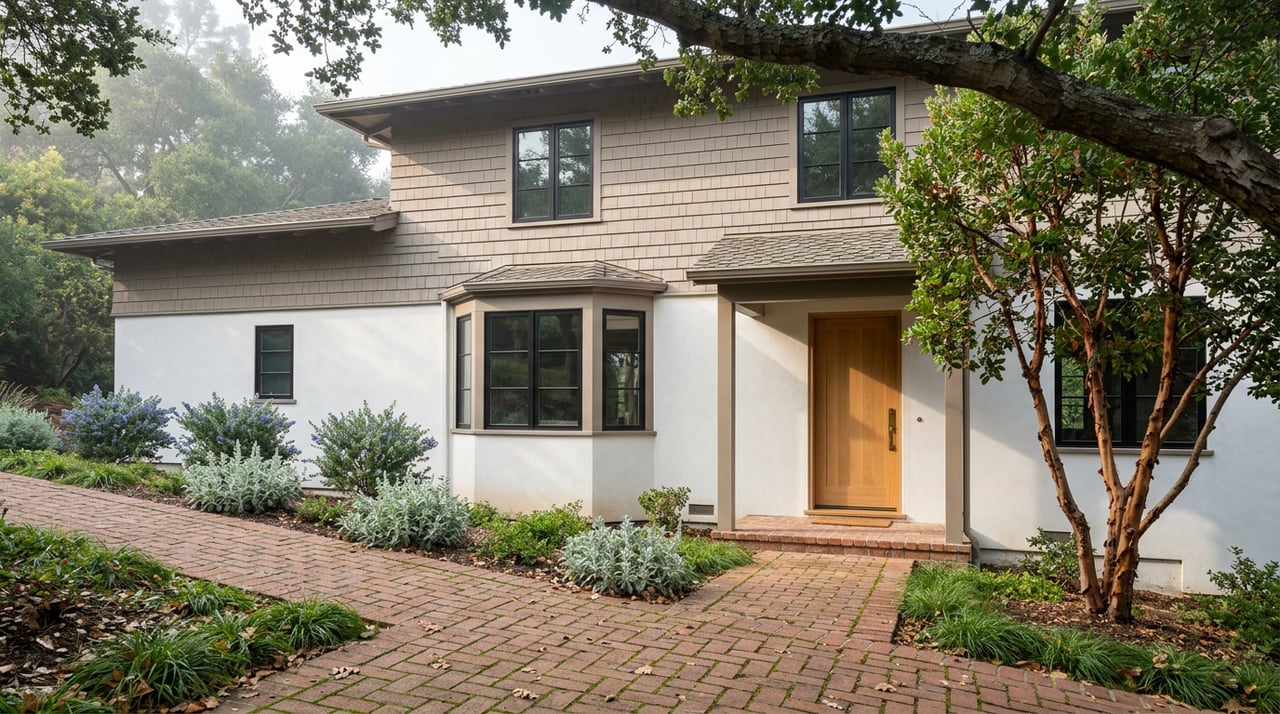
Piedmont is not a market where generic updates always help. The city’s design and preservation materials note that many older buildings remain remarkably intact, and that rooflines, exterior materials, and the treatment of windows and doors are part of how the city evaluates changes.
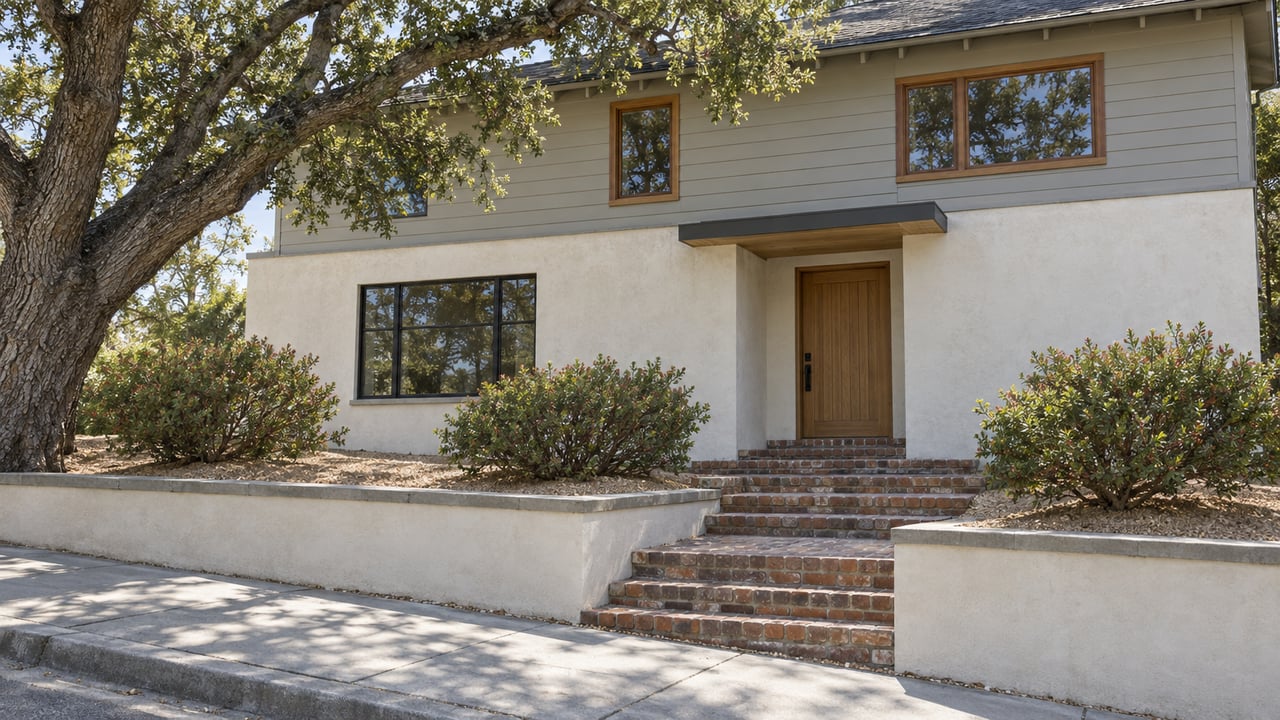
In practical terms, sellers often benefit from improvements that feel consistent with the home’s age and proportions. A clean, well-maintained, thoughtfully refreshed home usually presents better than one with rushed finishes that ignore the original style.
That matters both visually and strategically. Buyers in Piedmont are often paying close attention to craftsmanship, layout flow, and whether updates feel harmonious rather than forced.
Documentation can make a real difference in older-home sales. If you have done past work on the property, it is wise to gather permit cards, final sign-offs, warranties, and contractor records before listing.
Piedmont uses an online permitting and inspection system, which can help sellers pull together the paper trail. This becomes especially useful when buyers want to confirm whether a remodel was permitted or whether an addition matches approved plans.
A complete file does not just answer questions. It can also build buyer confidence and reduce friction once disclosures are underway.
California sellers should expect disclosures to be a central part of the process, not a last-minute formality. For many Piedmont homes, this step deserves early attention because age, condition, and prior work history can all affect what needs to be included.
One core item is the Real Estate Transfer Disclosure Statement, published by the California Department of Real Estate under Civil Code section 1102. The form is meant to describe the property’s condition and is not a warranty.
Natural Hazard Disclosure may also apply. Under California Civil Code section 1103, applicable disclosures can include flood areas, inundation areas, very high fire hazard severity zones, earthquake fault zones, seismic hazard zones, and wildland fire zones or state responsibility areas.
Lead-based paint disclosure is also especially relevant in Piedmont. Federal rules apply to most housing built before 1978, and because the city says more than 70% of homes were built before 1940, this can affect a large share of local listings.
The main takeaway is simple: start your disclosure packet early. That gives you time to be accurate, thorough, and organized before the home is on the market.
Closing costs deserve attention early in the planning process, especially in a high-price market. One item sellers in Piedmont should account for is the city’s real property transfer tax.
The city lists that tax at $13 per $1,000 at the time of transfer. On a multimillion-dollar sale, that is a meaningful line item, so it should be part of your net proceeds conversation from the beginning.
When you understand this cost upfront, it becomes easier to weigh repair choices, pricing strategy, and your next move with a clear picture of the numbers.
The strongest Piedmont sales usually do not feel rushed. They feel composed.
That often means starting months ahead, choosing selective improvements over unnecessary projects, pricing for early momentum, preparing polished media, and organizing disclosures and permit records before buyers begin their review. In a market shaped by older homes and fast buyer response, preparation is not extra. It is part of the strategy.
If you are thinking about selling and want a calm, design-aware plan for how to prepare, Gretchen Roethle can help you build a thoughtful path to market.
Stay up to date on the latest real estate trends.


Let us guide you through every step of your real estate journey.