East Bay Real Estate Guide
Discover why so many homebuyers choose the East Bay. Explore neighborhoods, real estate trends, lifestyle benefits, and answers to the most common questions about living in the East Bay Area.
Your guide to living in the East Bay, from neighborhoods and lifestyle to real estate insights.
Many people move to the East Bay for its balance of lifestyle, affordability, and proximity to San Francisco. Cities like Walnut Creek, Oakland, Berkeley, and Pleasant Hill offer more space, quieter neighborhoods, strong schools, and easy access to nature while still being within commuting distance of the Bay Area's major job centers.
Yes. The East Bay is considered one of the best regions in the Bay Area to buy a home because it offers a wider range of housing options compared to San Francisco or Silicon Valley. Buyers can find single-family homes, townhomes, and condos across a variety of price points.
In most cases, yes. Homes in the East Bay are typically more affordable than comparable properties in San Francisco. Buyers often get more square footage, larger lots, and quieter neighborhoods while still being able to commute to the city.
The East Bay includes cities in Alameda and Contra Costa counties. Some of the most well-known cities include:
Oakland
Berkeley
Walnut Creek
Pleasant Hill
Concord
Lafayette
Orinda
Danville
San Ramon
Alameda
Each city offers a different lifestyle, from urban environments to quiet suburban communities.
Many families choose East Bay communities because of their schools, parks, and safety. Some of the most popular cities for families include:
Walnut Creek
Lafayette
Orinda
Pleasant Hill
Danville
San Ramon
These areas are known for strong school districts and family-friendly neighborhoods.
Yes. The East Bay offers several commuting options into San Francisco and other Bay Area job centers. Many residents rely on:
BART (Bay Area Rapid Transit)
Highway 24
Interstate 680
Interstate 580
Ferry services
This makes it possible to live in quieter suburban communities while still working in the city.
The East Bay real estate market remains competitive due to strong demand, limited housing inventory, and proximity to major employment centers. Homes in desirable neighborhoods often receive multiple offers, especially well-priced properties.
Yes. Many first-time buyers start their search in the East Bay because it offers more entry-level housing opportunities compared to San Francisco or Silicon Valley. Cities like Concord, Martinez, and parts of Oakland can offer relatively more accessible price points.
The East Bay offers a wide variety of housing styles, including:
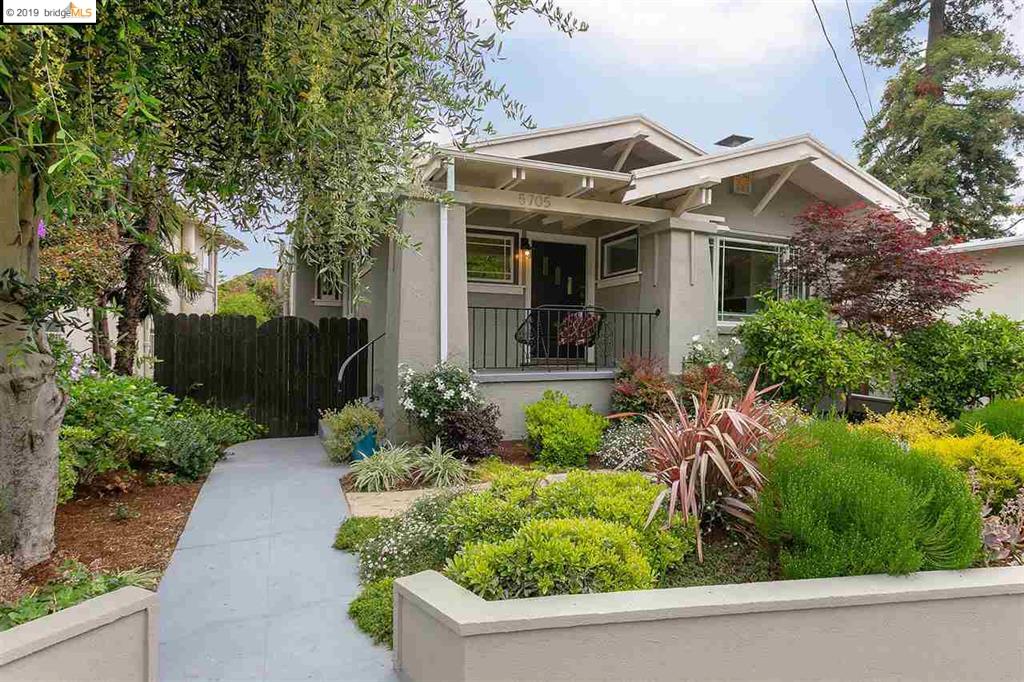
Single-family homes
Townhomes
Condominiums
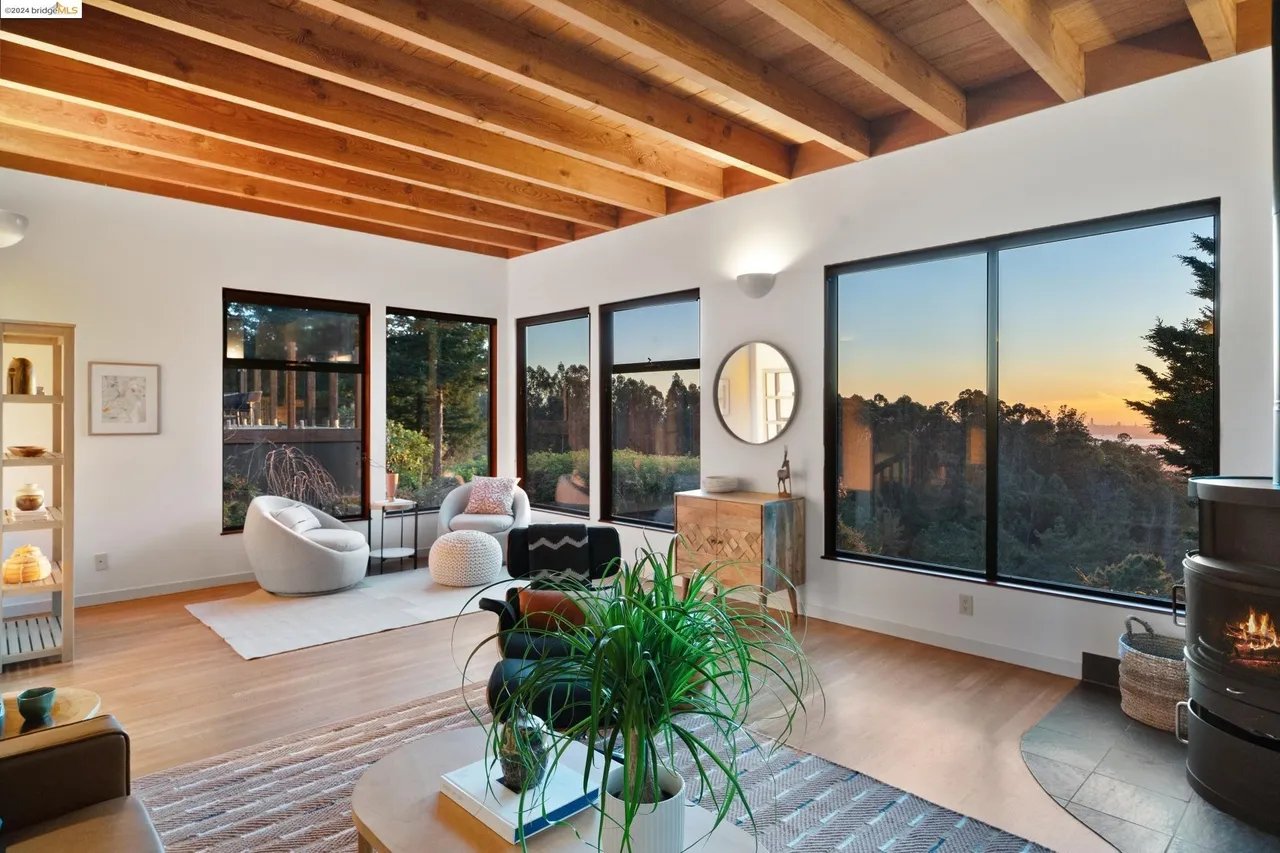
Mid-century homes
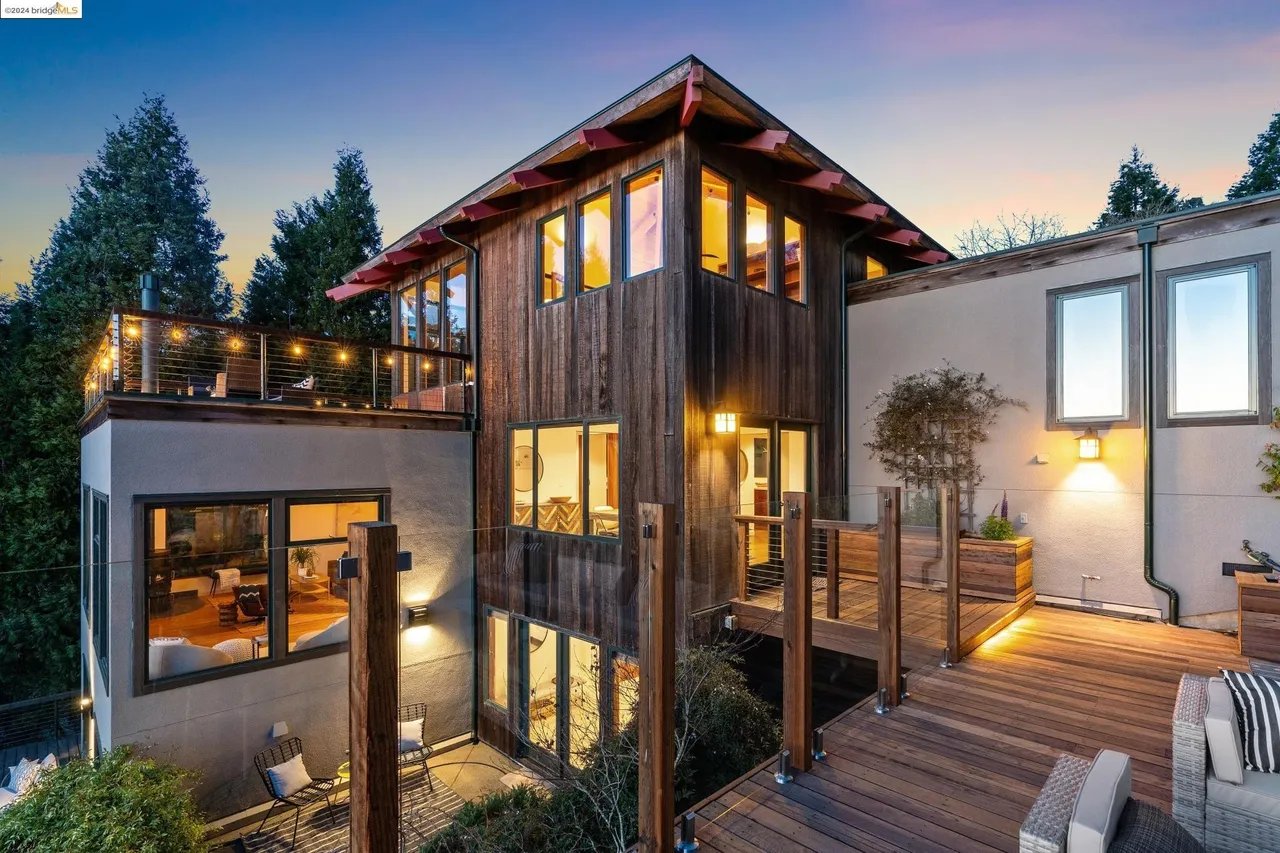
Hillside properties with views
Newer suburban developments
This diversity allows buyers to find homes that fit different lifestyles and budgets.
Safety varies by city and neighborhood, but many East Bay communities consistently rank among the safest in the region. Cities like Lafayette, Orinda, Danville, and San Ramon are often recognized for their low crime rates and family-friendly environments.
The East Bay lifestyle is known for its mix of urban culture and outdoor living. Residents enjoy easy access to hiking trails, regional parks, farmers markets, restaurants, and cultural events.
Yes. The East Bay has several highly rated public and private schools. School districts such as:
Acalanes Union High School District
San Ramon Valley Unified
Lafayette School District
Walnut Creek School District
are frequently ranked among the top districts in the Bay Area.
Depending on the city, the East Bay is typically 20 to 40 minutes from San Francisco by car or BART. Cities closer to the Bay Bridge, such as Oakland and Berkeley, offer the shortest commute times.
Yes. The region is known for its access to nature and outdoor recreation. Residents can explore:
Mount Diablo State Park
Tilden Regional Park
Briones Regional Park
Lafayette Reservoir
East Bay Regional Park District trails
Many remote workers choose the East Bay because homes often offer more space for offices, backyards, and quieter residential neighborhoods compared to denser parts of the Bay Area.
Popular East Bay neighborhoods include:
Rockridge (Oakland)
Elmwood (Berkeley)
Downtown Walnut Creek
Lafayette Hills
Danville Downtown
Alamo
These neighborhoods combine good schools, amenities, and convenient access to transportation.
Yes. Several East Bay cities continue to build new residential communities and mixed-use developments, especially in areas near BART stations and downtown districts.
The East Bay can be attractive for investors due to consistent demand, population growth, and its proximity to San Francisco and Silicon Valley job centers.
The East Bay stands out for offering more space, diverse communities, and easier access to nature while still maintaining strong connectivity to the rest of the Bay Area.
The East Bay offers a unique combination of livability, access to nature, strong communities, and proximity to major economic centers. For many buyers, it represents one of the best places in the Bay Area to build long-term homeownership.
Yes. The East Bay offers a strong quality of life with diverse communities, access to nature, excellent dining, and proximity to major Bay Area job centers. Many residents choose the East Bay for its balance of urban amenities and suburban comfort.
The cost of living in the East Bay is generally lower than in San Francisco, but it can vary depending on the city and neighborhood. Housing remains the largest expense, with prices typically higher in cities with top-rated schools and shorter commute times.
Several East Bay cities are known for their strong public school systems, including Lafayette, Orinda, Danville, San Ramon, and Walnut Creek. These communities often attract families looking for highly rated schools and safe neighborhoods.
Yes. Cities like Oakland, Berkeley, and Walnut Creek are popular among young professionals because they offer vibrant downtown areas, restaurants, nightlife, and convenient transportation options such as BART.
Some of the most walkable neighborhoods include Downtown Walnut Creek, Rockridge in Oakland, Elmwood in Berkeley, and Downtown Lafayette. These areas offer easy access to shops, restaurants, cafes, and public transportation.
The East Bay is known for its exceptional parks and open spaces. Residents enjoy hiking, biking, and outdoor activities at places like Mount Diablo State Park, Tilden Regional Park, Briones Regional Park, and Lafayette Reservoir.
The East Bay housing market is often competitive due to strong demand and limited inventory. Well-priced homes in desirable neighborhoods may receive multiple offers, especially during peak buying seasons.
The East Bay generally has mild weather throughout the year with warm summers and cooler winters. Cities farther inland, such as Walnut Creek and Concord, tend to experience warmer summer temperatures compared to coastal areas.
Yes. The East Bay has a thriving food and shopping scene with everything from local cafes and farmers markets to high-end restaurants and shopping districts like Broadway Plaza in Walnut Creek.
Many buyers see the East Bay as a strong long-term investment due to its location within the Bay Area, continued demand for housing, and its proximity to major employment hubs like San Francisco and Silicon Valley.
For many homebuyers, the East Bay offers a great alternative to San Francisco. Residents often enjoy larger homes, quieter neighborhoods, and easier access to parks while still being within commuting distance of the city.
Many commuters who work in San Francisco choose East Bay cities with convenient BART access, such as Oakland, Berkeley, Walnut Creek, Lafayette, and Pleasant Hill. These locations offer easier public transportation options into the city.
Some East Bay cities tend to offer more affordable housing options compared to others. Buyers often explore areas such as Concord, Martinez, Pittsburg, and parts of Oakland when looking for more accessible home prices within the region.
Some of the most sought-after suburban communities in the East Bay include Lafayette, Orinda, Danville, Alamo, and San Ramon. These cities are known for their strong schools, safe neighborhoods, and high quality of life.
Yes. The East Bay continues to attract new residents due to its proximity to major employment centers, relatively larger housing options, and lifestyle benefits such as outdoor recreation and family-friendly communities.
Market conditions in the East Bay can vary depending on interest rates, inventory levels, and buyer demand. Many buyers continue to consider the East Bay attractive because of its long-term housing demand and proximity to major job centers across the Bay Area.
The income needed to buy a home in the East Bay depends on the price range, down payment, and mortgage terms. Many buyers evaluate affordability based on monthly payments, interest rates, and their financial goals before entering the market.
Living comfortably in the East Bay depends on housing costs, lifestyle preferences, and household size. Housing tends to be the largest expense, with costs varying widely depending on the city and neighborhood.
Several East Bay cities have experienced steady growth due to new housing developments, improved infrastructure, and continued demand from Bay Area professionals. Cities like Concord, San Ramon, and Dublin have seen notable residential expansion.
Many families choose the East Bay because it offers more suburban neighborhoods, larger homes, parks, and access to highly rated school districts while still maintaining proximity to San Francisco.
Before moving to the East Bay, buyers often research commute options, school districts, neighborhood amenities, and housing prices. Understanding the differences between East Bay cities can help buyers choose the community that best fits their lifestyle.
Home prices in the East Bay are influenced by demand, inventory levels, and broader economic trends. Because the region is close to major employment hubs, housing demand has historically remained strong over the long term.
Yes. Many tech professionals live in the East Bay while working in San Francisco, Oakland, or Silicon Valley. The region offers convenient commuting routes and housing options that may provide more space compared to other parts of the Bay Area.
Cities such as Concord, Martinez, Pittsburg, and parts of Oakland often attract first-time buyers because they may offer relatively more accessible price points compared to other Bay Area locations.
The East Bay combines diverse communities, strong schools, access to nature, vibrant downtown areas, and proximity to major employment centers. These factors make it one of the most attractive regions for homebuyers in Northern California.