Everyday Living in Kensington: Village Vibe Above the Bay
July 23, 2026
July 23, 2026
If you want a neighborhood that feels tucked away without feeling cut off, Kensington stands out. Daily life here is shaped by a small village core, easy access to open space, and a residential setting that feels steady and established. If you are considering a move to Kensington, or thinking about what makes this area so appealing over time, this guide will help you picture the rhythm of everyday living. Let’s dive in.
Kensington is an unincorporated community in Contra Costa County with a population of about 5,075. It is bordered by Berkeley to the south and El Cerrito to the east and north, which gives it a distinct identity while keeping you close to nearby city amenities.
Because Kensington is unincorporated, many core services are handled by Contra Costa County rather than a city government. Public works, code enforcement, zoning, and building all fall under county responsibility here, which gives the area a different feel from a standard city neighborhood.
That local structure matters more than you might think. It shapes how homes are updated, how land use is reviewed, and how residents experience the balance between neighborhood character and long-term change.
For many people, the heart of Kensington is Colusa Circle. This small business and residential district centers on a landscaped traffic circle with a mature oak tree at the meeting point of Colusa Avenue, Oak View Avenue, and Berkeley Park Boulevard.
Colusa Circle helps define the neighborhood’s village feel. It is compact, recognizable, and woven into everyday routines rather than set apart as a major commercial district.
The location also says a lot about why Kensington feels connected. The merchants association notes that the circle sits where Kensington, Berkeley, El Cerrito, and Albany intersect, which means you get a quiet residential base with easy access to surrounding East Bay communities.
Kensington is not trying to be a dense urban center, and that is part of its appeal. The walkability here feels practical and local, with a small cluster of businesses and services that support day-to-day life.
Colusa Circle is described as bike- and pedestrian-friendly. El Cerrito Plaza BART is about a 20-minute walk away, and AC Transit Line G serves Kensington with service to El Cerrito Plaza BART and San Francisco.
If you want a place where you can run a few errands, meet a friend, or build part of your routine around a local commercial node, Kensington offers that in a scaled-down, neighborhood-oriented way.
One of the clearest signs of Kensington’s everyday rhythm is the Kensington Farmers' Market. It runs every Sunday from 9 a.m. to 2 p.m. on Oak View Avenue between Colusa Circle and Santa Fe Avenue, rain or shine.
That kind of weekly ritual can say a lot about a place. The market serves Berkeley, Albany, and El Cerrito as well, so it reinforces Kensington’s role as both a local neighborhood and a shared community hub for nearby residents.
For buyers, this is the kind of detail that helps a neighborhood feel real. It is not just about house styles or lot sizes. It is about what your Sunday morning might actually look like.
Kensington offers strong access to outdoor recreation, and that is a major part of its appeal. You are not limited to one small park or a few walking routes. Instead, you have both in-town recreation space and major regional parkland nearby.
Tilden Regional Park is the headline amenity. The East Bay Regional Park District says the park spans 2,079 acres and includes hiking, biking, picnicking, fishing, golf, swimming, the Botanic Garden, the Little Farm, the merry-go-round, and the steam train.
Just north of the main park, the Tilden Nature Area adds another 740 acres with quieter natural space and a boardwalk to Jewel Lake. Together, these areas make outdoor time feel easy to work into regular life instead of saving it for a special outing.
Closer to home, Kensington Park gives residents a community-focused recreation base. The park and community center include tennis courts, a pickleball court, a basketball court, picnic sites, a playground, and grassy fields.
The same community hub also supports regular programming. The Kensington Community Council runs after-school enrichment, summer day camp, and adult and family classes there.
That mix matters because it broadens what everyday life can look like. Whether you are looking for green space, recreation, or structured community activities, Kensington has options that feel rooted in the neighborhood itself.
Kensington is served by West Contra Costa Unified School District, and Kensington Elementary School is located at 90 Highland Blvd. For many buyers, it is helpful simply to know that there is a visible in-town school presence as part of the neighborhood’s daily rhythm.
Beyond that, community life is reinforced by the park, community center, and weekly farmers market. Those places create natural points of connection throughout the week.
This is one reason Kensington often feels cohesive. Instead of depending on one major attraction, it has a handful of local anchors that support a steady, lived-in sense of place.
Kensington’s housing profile helps explain why the area often feels stable and established. Census QuickFacts reports an 86.8% owner-occupied housing unit rate, and 95.3% of residents lived in the same house one year earlier.
That level of continuity can shape the feel of a neighborhood in very practical ways. You often see it in home maintenance patterns, long-term investment in properties, and a stronger sense of local familiarity.
The housing stock is also notably centered on detached homes. Census Reporter shows that 98% of housing units are single-unit structures, which aligns with Kensington’s residential character.
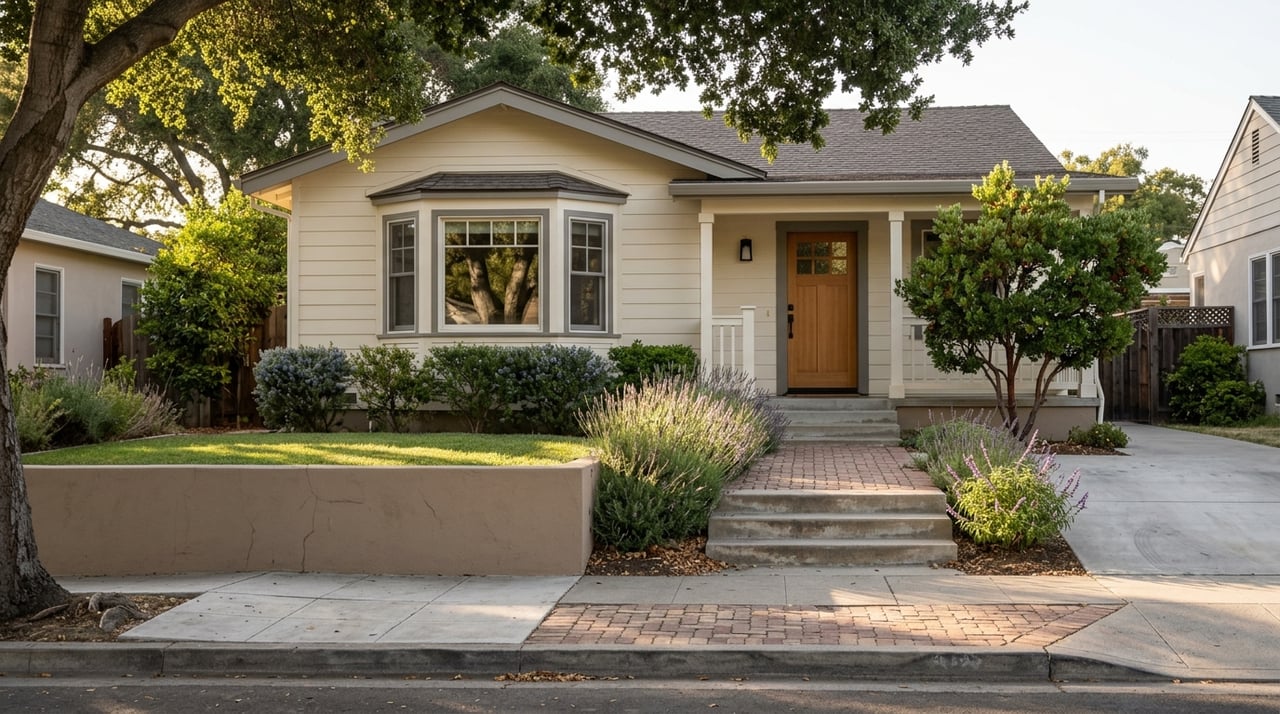
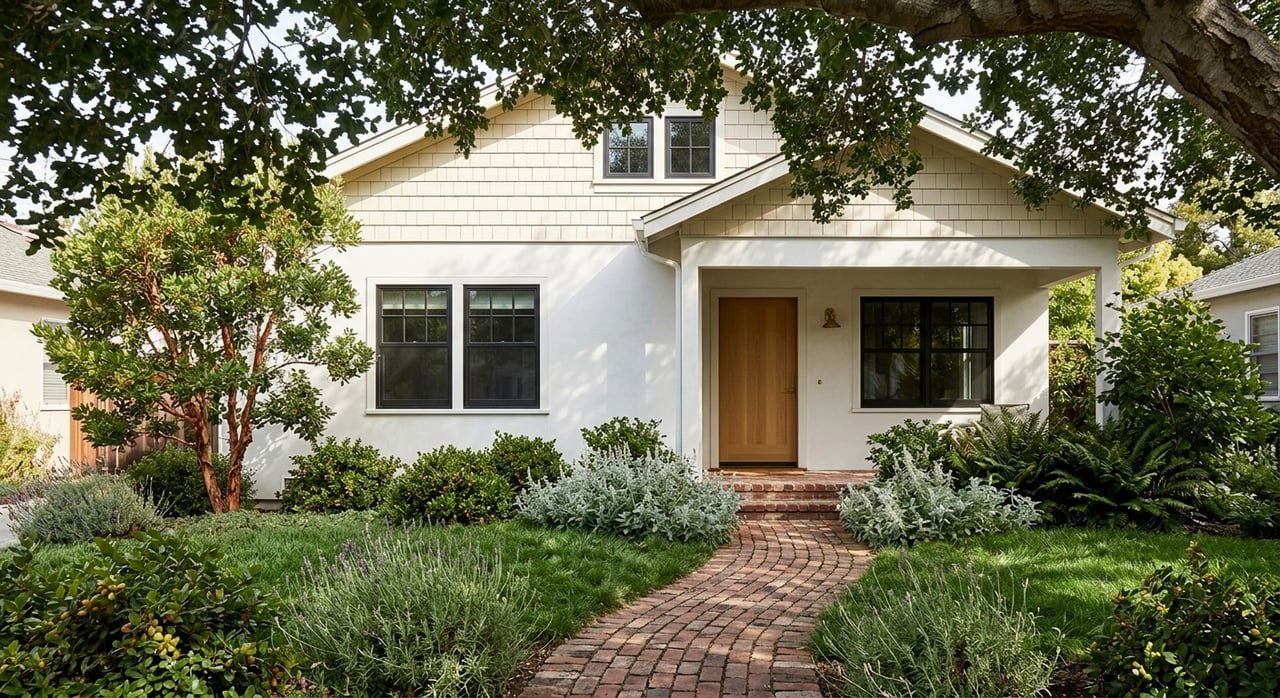
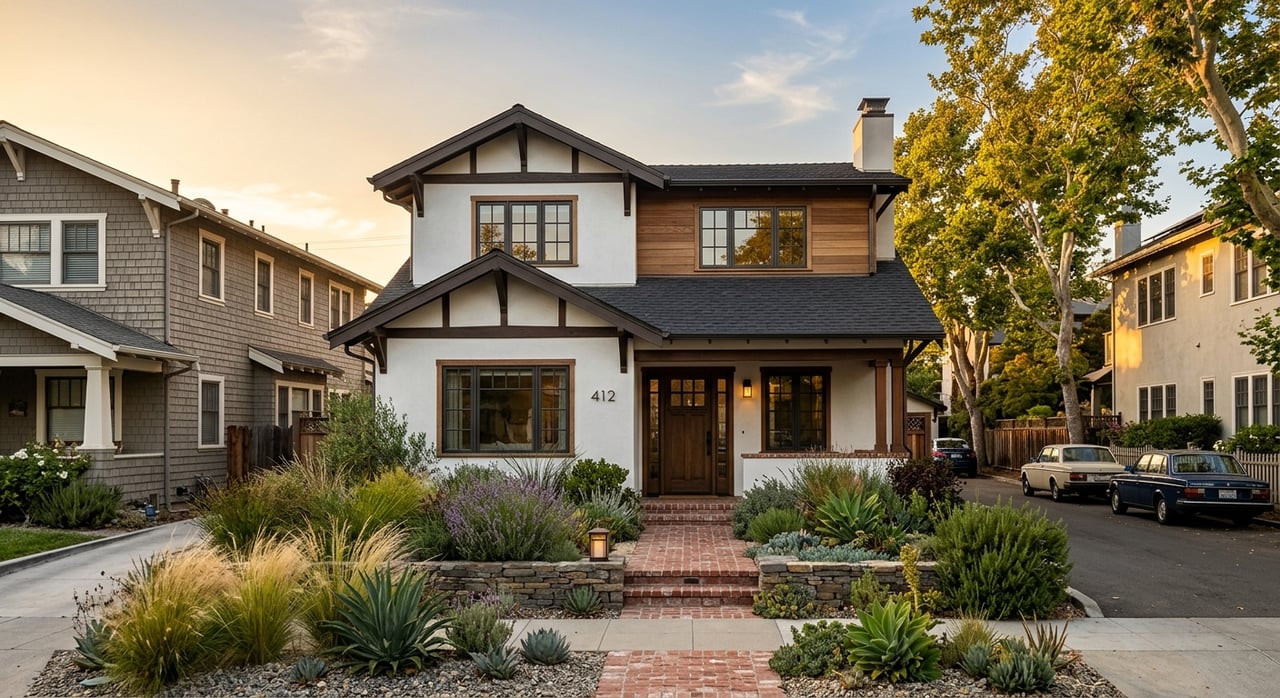
Kensington’s home story is closely tied to early-20th-century development. According to the Colusa Circle Merchants Association, the area’s shopping district developed in the late 1920s and 1930s alongside early Mediterranean and Craftsman-style homes.
That history still shapes how many buyers experience the neighborhood today. Character, scale, and architectural continuity are a meaningful part of Kensington’s appeal.
For sellers, that also means presentation matters. In a neighborhood where housing character is part of the value story, thoughtful preparation and design-aware marketing can make a real difference.
Kensington is also a high-value residential market. Census QuickFacts reports a median value of owner-occupied housing units of $1,539,000 and a median household income of $237,130.
Those figures do not tell the whole story, but they do give useful context. Buyers should expect a market where location, condition, and property-specific features can carry meaningful weight.
For sellers, this kind of market often rewards careful planning. Pricing strategy, home preparation, and a clear understanding of what makes a particular property stand out are especially important here.
One of the most important things to understand about Kensington is that it has unusually local land-use rules. Contra Costa County says the Kensington Planning Ordinance regulates renovations and new construction for size, privacy, light, and view protection.
The county also notes that the Kensington Tree Obstruction of Views ordinance applies only in unincorporated Kensington. That ordinance is intended to help resolve view disputes caused by tree growth.
On top of that, the county lists Kensington-specific overlay ordinances that apply only here. In practical terms, this means remodeling, additions, and even some landscape decisions may involve more location-specific considerations than you would expect in a typical suburb.
If you are buying in Kensington, it helps to look beyond the house itself. A beautiful property may also come with constraints or review considerations tied to future additions, renovations, or view-related issues.
That does not make Kensington harder to love. It just means local knowledge matters, especially if you are thinking long term about how you may want to use or update a property.
If you are selling, these rules can affect how buyers evaluate value and potential. They can also shape the best way to position a home, especially if views, expansion options, or landscape conditions are part of the conversation.
This is where thoughtful preparation becomes especially useful. A seller who understands the property’s strengths, limitations, and neighborhood context is better positioned to market it clearly and confidently.
At its core, Kensington feels like a residential hill community organized around one compact village center. You have the Sunday farmers market, neighborhood recreation at Kensington Park, nearby access to Tilden, and a housing stock shaped by long-term ownership and architectural character.
That combination is a big part of the draw. Kensington offers a quieter pace than a dense commercial neighborhood, but it still keeps you connected to Berkeley, Albany, El Cerrito, transit, and regional amenities.
If that balance speaks to you, Kensington may feel less like a compromise and more like a very specific kind of East Bay living. It is calm, local, and practical, with a strong sense of place.
If you are thinking about buying or selling in Kensington, working with someone who understands both the lifestyle and the local rules can make the process much clearer. Gretchen Roethle brings thoughtful East Bay guidance, design-aware strategy, and a calm, local approach to every step.
Stay up to date on the latest real estate trends.
Let us guide you through every step of your real estate journey.