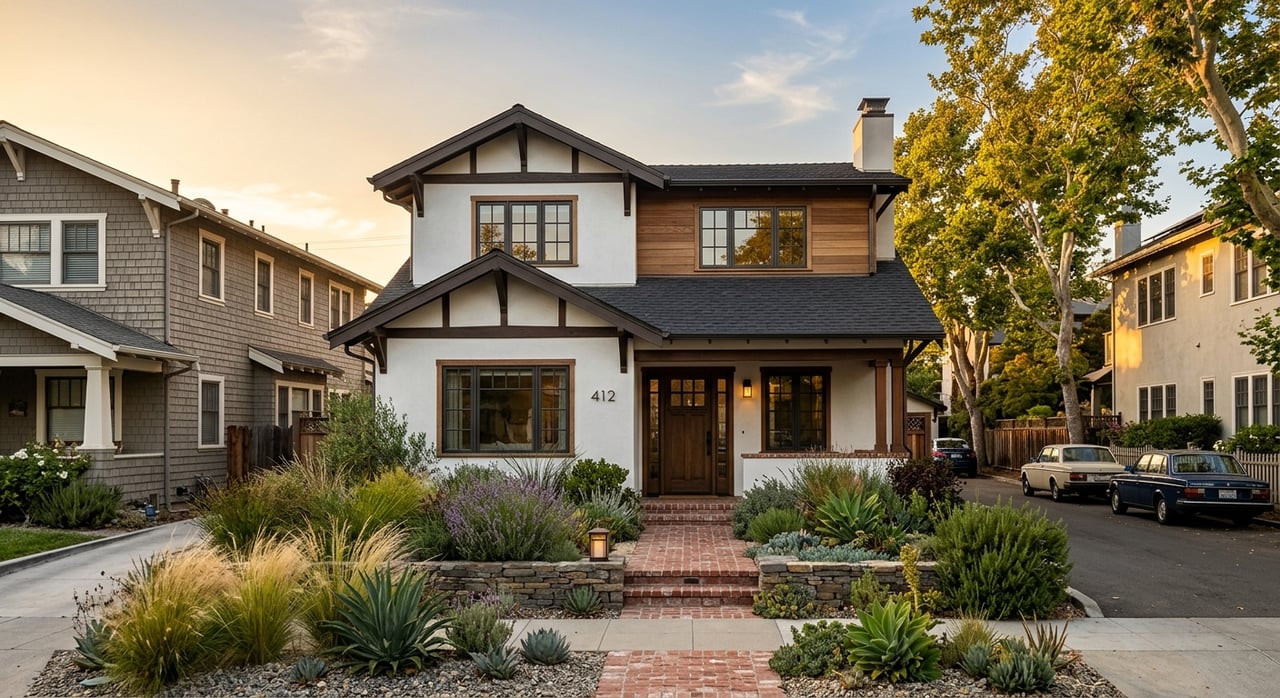
Albany or El Cerrito? How To Decide Between Two Favorites
June 4, 2026
June 4, 2026
Trying to choose between Albany and El Cerrito? You are not alone. These two neighboring East Bay cities share a lot, including convenient transit connections, access to parks, and a close-in location, but they can feel surprisingly different once you start looking block by block. If you are weighing where you would feel most at home, this guide will help you compare the day-to-day lifestyle, housing patterns, and practical tradeoffs so you can narrow your search with more confidence. Let’s dive in.
Albany and El Cerrito sit right next to each other in the inner East Bay, and both offer a compact, connected lifestyle with strong access to outdoor space. The biggest difference is how each city is laid out and how that affects everyday living.
Albany is the smaller of the two. Its incorporated area is about 1.7 square miles, and the city describes itself as made up largely of single-family homes and small businesses centered on Solano Avenue. El Cerrito is larger at about 3.7 square miles, with a more distributed pattern that includes single-family neighborhoods, multifamily housing near BART and San Pablo Avenue, and more corridor-focused redevelopment.
That means your experience can shift quickly depending on where you are. In Albany, many errands, parks, and neighborhood streets feel closely stitched together. In El Cerrito, you are more likely to notice distinct zones, including station areas, commercial corridors, residential neighborhoods, and hillside open space.
For many buyers, the clearest difference between Albany and El Cerrito shows up in the housing stock. While both cities include a mix of home types, the overall feel is not quite the same.
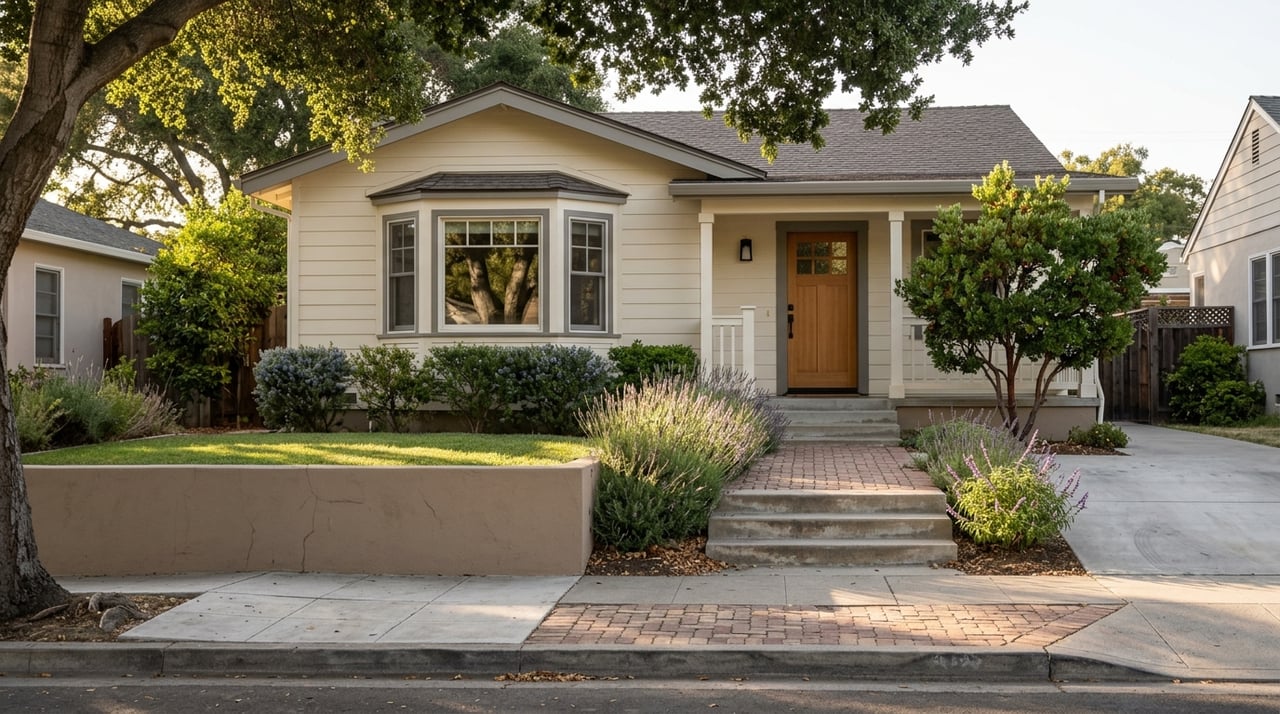
Albany’s housing character is rooted in older single-family neighborhoods. The city’s materials describe Albany as largely single-family homes and small businesses, and its general plan highlights well-maintained bungalows and apartments as part of the city’s identity.
A large share of Albany’s neighborhood form was established early. The city notes that more than 1,600 single-family homes were built in the 1920s, which helps explain why many blocks have a classic bungalow feel and a fairly consistent residential rhythm.
That said, Albany is not all the same from edge to edge. The San Pablo Avenue corridor is covered by a specific plan aimed at creating a more walkable, transit-oriented, mixed-use boulevard, so homes and buildings near that area may feel more urban than the quieter interior residential blocks.
El Cerrito has a more visibly split housing pattern. The city’s planning documents describe predominantly single-family neighborhoods, but they also point to a stronger concentration of multifamily housing near BART and along San Pablo Avenue.
In practical terms, that can mean a wider range of housing choices depending on where you look. Areas near the Ohlone Greenway, BART stations, and San Pablo Avenue include a mix of single-family and multifamily development, with higher-intensity uses around transit nodes.
El Cerrito’s homes also tend to reflect a different era. The city notes that most homes were built between 1940 and 1970, which gives many neighborhoods a more mid-century residential feel compared with Albany’s earlier bungalow-heavy character.
If you want shorthand, Albany often reads more like bungalow and main street, while El Cerrito feels more like single-family neighborhoods plus transit nodes. That is not an official label, but it is a useful way to frame the difference when you are touring homes.
If transit matters to your routine, this is one of the biggest decision points.
Albany does not have its own BART station, but it is very close to two. The city’s general plan says Albany is about one-quarter mile from El Cerrito Plaza and just over one-half mile from North Berkeley.
Albany also has AC Transit connections to San Francisco, Oakland, and other East Bay destinations. The city supports walking, biking, and rolling through its Active Transportation Plan and Complete Streets policy, which reinforces the city’s compact, connected layout.
Local roadway safety plan data based on the 2020 ACS reported Albany commuters at 25.8% public transportation, 5.08% walking, 6% bicycling, and 17.3% working from home. Walk Score currently rates Albany at 84 for walkability, 55 for transit, and 91 for biking.
El Cerrito has the stronger transit footprint citywide. It is home to two BART stations, El Cerrito Plaza and El Cerrito del Norte, and the city also has numerous AC Transit lines. Del Norte is additionally served by WestCAT, Vallejo Transit, and Golden Gate Transit.
That station-based structure can be a real advantage if you want easier access from more parts of the city. El Cerrito’s community statistics page says the average resident commute is 30.1 minutes, and Walk Score rates the city at 67 for walkability, 51 for transit, and 60 for biking.
The numbers do not tell the whole story, though. Albany often feels easier to navigate on foot or by bike within a tighter area, while El Cerrito may offer a stronger citywide transit setup if BART access is high on your list.
Both cities offer plenty of fresh air, but the type of outdoor experience is a little different.
Albany packs a lot of park access into a small footprint. Albany Hill is one of the city’s defining natural features, with about 39 acres of undeveloped acreage and 28 acres preserved as open space.
The waterfront is another major draw. The city describes shoreline views that include San Francisco, the Golden Gate, and the Bay bridges, and the Albany Bulb adds a distinct waterfront trail experience.
Albany’s park system also includes Memorial Park, Ocean View Park, Albany Hill & Creekside Park, and the Ohlone Greenway. The city describes the Greenway as an ADA-accessible trail with bicycle paths, walking trails, public art, and outdoor exercise equipment.
El Cerrito offers a larger and more trail-focused open-space profile. The Hillside Natural Area is approximately 107 acres of city-owned open space and is the city’s largest community-serving park and recreation facility.
The city also has a broad park network that includes Arlington, Canyon Trail, Castro, Centennial, Central, Cerrito Vista, Creekside, Huber, Poinsett, and Tassajara, plus the Bruce King Memorial Dog Park. If you like the idea of a wider range of parks and hillside trails, El Cerrito gives you more of that citywide.
El Cerrito’s Ohlone Greenway also runs the full length of the city for about 2.7 miles under the elevated BART tracks. Compared with Albany’s roughly 1-mile section, it plays a bigger role as a city-spanning walking and biking corridor.
Lifestyle fit often comes down to what kind of daily rhythm feels natural to you.
Albany tends to feel more compact and main-street oriented. Solano Avenue acts as a pedestrian-friendly commercial spine, and the city’s smaller size can make your routines feel more centered and geographically tight.
El Cerrito feels more spread out in a useful way. Some of its activity clusters around the two BART stations and along San Pablo Avenue, while other areas transition more quickly into quieter residential sections and hillside open space.
Neither setup is better across the board. It depends on whether you want a smaller village-like feel or a city with a bit more physical variety and a stronger station-centered structure.
If you are torn, it helps to focus less on the city name and more on how you want your week to work.
When clients compare Albany and El Cerrito, one of the most helpful approaches is to think block by block. In practice, three location gradients often matter more than the city line itself.
Ask yourself which commercial pattern fits your routine. Solano Avenue supports a more classic main-street feel, while San Pablo Avenue and nearby corridor areas can feel more urban and mixed-use.
If daily transit access is central, El Cerrito may rise to the top simply because it has two BART stations. If you care just as much about walking and biking in a compact setting, Albany’s proximity to nearby stations and strong bike infrastructure may still feel like a great fit.
Your day-to-day experience can change a lot based on topography and park access. Some buyers prefer flatter neighborhoods closer to commercial streets and transit, while others want to be nearer hillside open space and trails.
Albany and El Cerrito are both compelling, but they solve for slightly different priorities. Albany often wins buyers over with its compact scale, bungalow character, and main-street energy. El Cerrito stands out for its two-station transit access, broader park network, and more varied housing pattern near major corridors.
If you are trying to decide between the two, the most useful next step is to compare specific pockets, not just city names. A thoughtful home search should look at commute habits, outdoor routines, housing style, and how each block feels in real life. If you want help narrowing your options in Albany, El Cerrito, or nearby East Bay neighborhoods, Gretchen Roethle can help you sort through the details with a calm, local, strategic lens.
Stay up to date on the latest real estate trends.


Let us guide you through every step of your real estate journey.