Living in North Berkeley Near the Food Hub
April 23, 2026
April 23, 2026
If you want a Berkeley neighborhood where your morning coffee, weeknight dinner plans, park time, and transit options can all fit into a relatively compact daily routine, North Berkeley’s food hub stands out. This part of the city blends well-known food destinations with leafy residential blocks, local parks, and practical access to BART, biking, and everyday errands. If you are wondering what it actually feels like to live nearby, here is a grounded look at the rhythm, tradeoffs, and appeal of the area. Let’s dive in.
North Shattuck, centered around Shattuck Avenue and Vine Street, is one of Berkeley’s best-known commercial districts. Visit Berkeley describes North Shattuck as the birthplace of California cuisine, with a mix of artisan food businesses, sidewalk cafes, bakeries, galleries, and flower stands.
What matters for daily life is that this area feels like more than a destination strip. The food corridor is a major draw, but the surrounding streets remain fundamentally residential, with mature trees and older homes that were built long before the district became a regional dining name. That balance gives many buyers the best of both worlds: neighborhood character and strong walkability.
Living near North Berkeley’s food hub often means your routine is shaped by a few local anchors. In or near the district, you will find Chez Panisse, the Cheese Board Collective, the original Peet’s Coffee on Vine Street, Monterey Market, and ACCI Gallery, all of which help define the area’s day-to-day energy.
For many residents, that translates into a neighborhood where errands can feel more enjoyable than purely functional. Picking up produce, grabbing coffee, stopping at a bakery, or meeting a friend for lunch can all happen within the same small orbit. The result is a lifestyle that feels connected and local rather than car-dependent.
The district also has a strong market culture. Visit Berkeley notes that North Shattuck hosts Berkeley’s all-organic farmers’ market every Thursday, and the area continues to be associated with local and sustainable dining.
One of the most appealing parts of living near this area is the atmosphere. North Shattuck is active, but it does not read like a dense downtown core. The combination of storefronts, sidewalk activity, and nearby residential blocks creates a village-like feel that many people are looking for when they move to Berkeley.
That distinction matters if you want access to restaurants and shops without feeling like you live in the middle of a nonstop commercial district. On many blocks, you are still very much in a neighborhood setting, with homes, trees, and a quieter pace just beyond the main corridors.
Food may be the headline here, but outdoor access is a real part of the lifestyle. Visit Berkeley describes the area around North Berkeley BART as one of the city’s leafiest parts of town, with nearby parks, playgrounds, and direct access to the Ohlone Greenway for walking and biking.
That means daily life can include more than restaurant reservations and coffee stops. It can also mean dog walks, bike rides, playground visits, and casual time outside without needing to leave the neighborhood.
Live Oak Park is one of the area’s most versatile community spaces. It includes a community center, tennis and basketball courts, play areas, picnic spots, a stage and amphitheater, and a creek shaded by large oak trees.
It is also a place where neighborhood gatherings and festivals happen. If you value a sense of community activity that is rooted in public space, this park adds a lot to the area’s appeal.
Cedar Rose Park offers open space, fields, playgrounds, and sports courts, which can be especially useful if you want room to spread out. Nearby, Codornices Park connects through an ADA tunnel to the Berkeley Rose Garden.
The Berkeley Rose Garden is known for its Bay views and 1,500 rose bushes. Together, these spaces give North Berkeley a strong outdoor identity that balances the commercial energy of the food corridor.
If you want a more elevated outdoor option, Indian Rock Park offers rock outcroppings, easy climbing, and broad Bay views. It adds a distinctly Berkeley layer to the neighborhood experience, with a setting that feels both local and scenic.
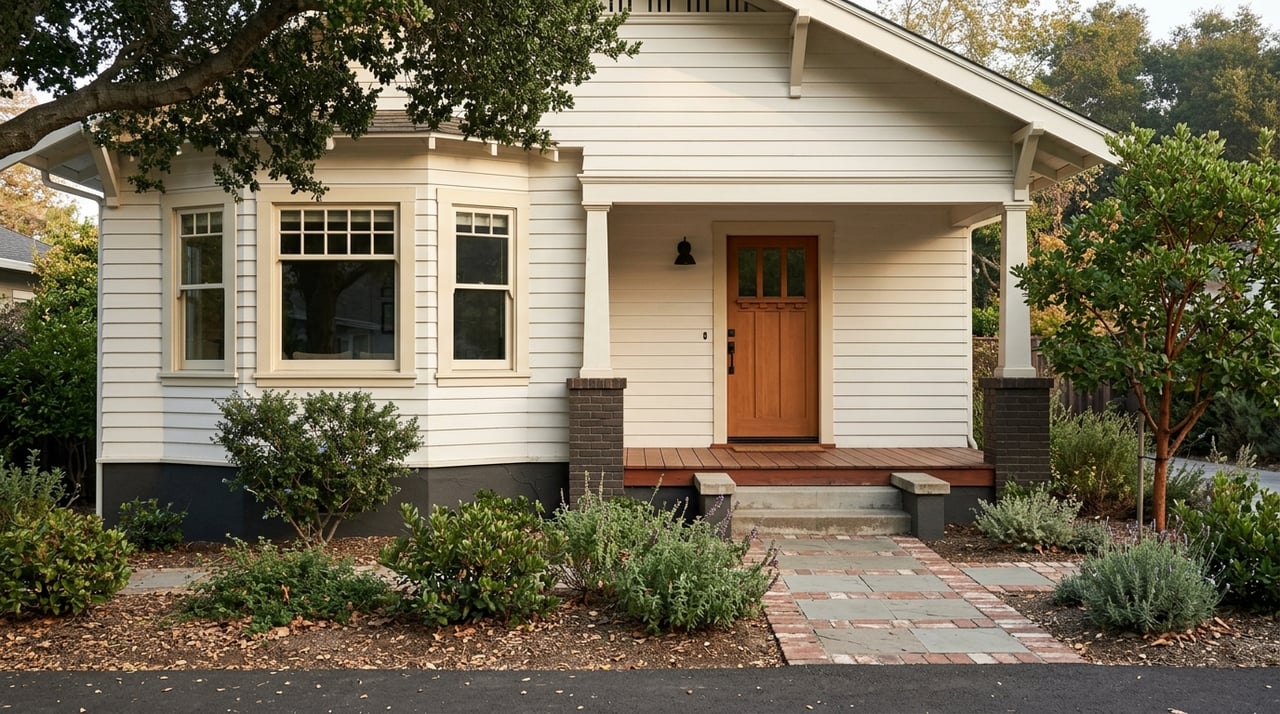
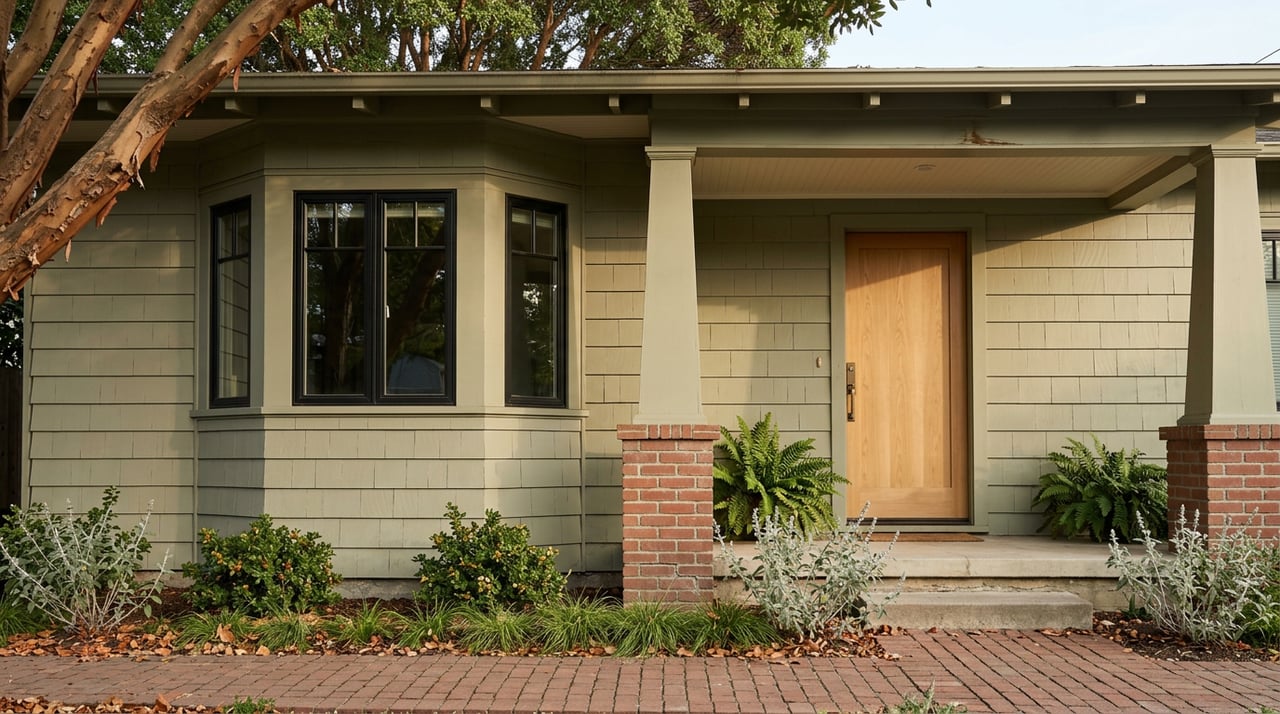
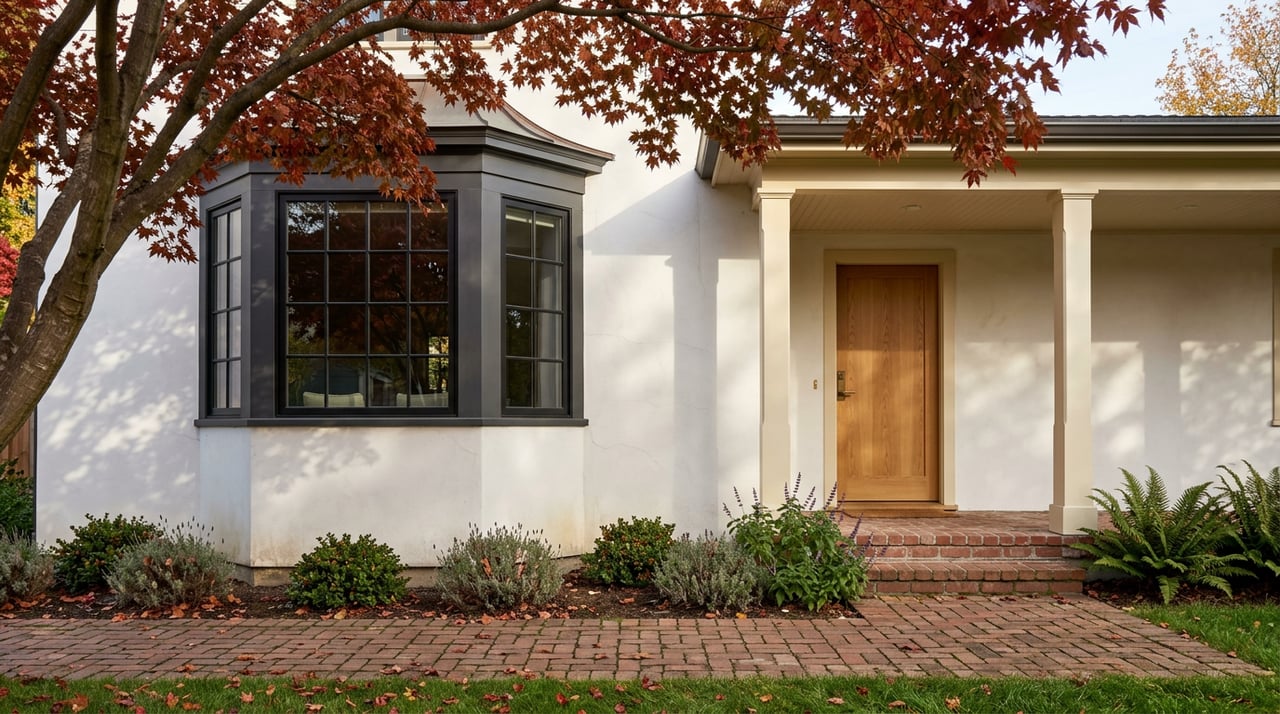
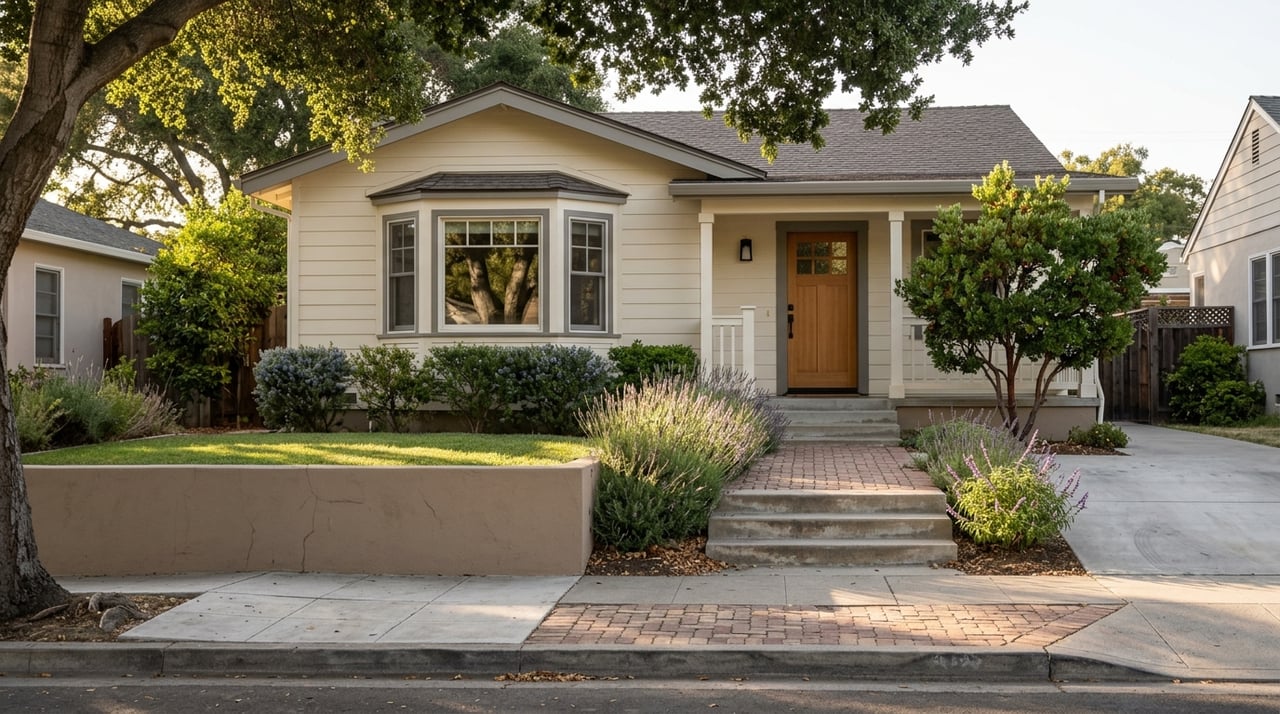
The homes around North Berkeley’s food hub are a big part of why the area feels so established. City history materials note that the area around North Berkeley BART was subdivided for housing by the late 1870s, with residential development likely in place by 1900. Records also point to early 20th-century development, including Craftsman and California Bungalow examples in the station area.
For buyers, that usually means the neighborhood housing stock tends to offer more character than a newly built district. You may find older architectural details, mature landscaping, and a street pattern that reflects Berkeley’s earlier growth.
That said, character often comes with nuance. Older homes can have unique layouts, deferred maintenance, or system updates to consider, which is one reason it helps to work with an agent who understands East Bay housing stock in practical terms, not just aesthetically.
If you are hoping to rely less on a car, this area gives you real options. North Berkeley Station at 1750 Sacramento Street includes elevator access, AC Transit connections, bike racks, 96 on-demand BikeLink lockers, BayWheels, and parking.
For some households, that mix can support a lighter driving routine. You may still use a car for certain trips, but many everyday tasks can be handled on foot, by bike, or through transit, especially if your routines already center on nearby shops, parks, and BART access.
The Ohlone Greenway also adds value here. A connected walking and biking route can make short local trips feel easier and more pleasant, which is something buyers often underestimate until they live with it.
Another benefit of this location is that North Shattuck is not your only nearby commercial district. Solano Avenue adds more restaurants, shops, coffee stops, and a very active community calendar.
That nearby access broadens the lifestyle without requiring a big geographic jump. It gives you a second neighborhood center to work into your weekly routine, which can make the area feel more versatile over time.
Visit Berkeley also notes that the annual Solano Avenue Stroll turns a one-mile stretch into a large community street festival with food, artisans, entertainment, and local groups. Events like that help reinforce the area’s strong neighborhood identity.
Like any popular Berkeley location, living near North Berkeley’s food hub comes with tradeoffs as well as benefits. The most active blocks near Shattuck and Vine, Solano, and the station tend to be busier and more destination-oriented than a quieter pocket farther into the residential streets.
That does not make the area less appealing, but it does mean that block-by-block differences matter. If you want easy access to restaurants and transit, you may accept a little more activity. If you prefer a quieter setting, you may want to focus your search a few blocks away while still staying close enough to enjoy the neighborhood’s core amenities.
There is also some change ahead near the station. The City of Berkeley and BART have advanced planning for housing and mixed-use development in the North Berkeley BART area, so buyers should think of the station area as residential today but likely to see visible evolution over time.
North Berkeley’s food hub tends to appeal to buyers who want a lifestyle anchored by walkability, local businesses, transit access, and established neighborhood character. It can be a strong fit if you value being able to build small daily rituals around coffee, groceries, parks, and nearby public space.
It may also work well for buyers who prefer community-oriented activity over nightlife-focused living. With its mix of parks, greenways, local markets, and longstanding neighborhood businesses, the area offers a version of Berkeley that feels active, rooted, and highly livable.
North Berkeley can look straightforward on a map, but it is a place where micro-location really affects your experience. A home near the food corridor, near BART, or closer to a quieter interior block can each offer a different day-to-day rhythm.
That is where local insight matters. When you are comparing homes in Berkeley, it helps to have guidance that goes beyond square footage and price and gets into how a block feels, how a home fits your routine, and what tradeoffs are worth making for your lifestyle.
If you are exploring Berkeley neighborhoods and want practical, design-aware guidance on where to focus, Gretchen Roethle can help you think through the details that shape daily life, not just the transaction.
Stay up to date on the latest real estate trends.


Let us guide you through every step of your real estate journey.