Why San Francisco Homes Are Selling Over Asking in 2026
Gretchen Roethle April 1, 2026
Gretchen Roethle April 1, 2026
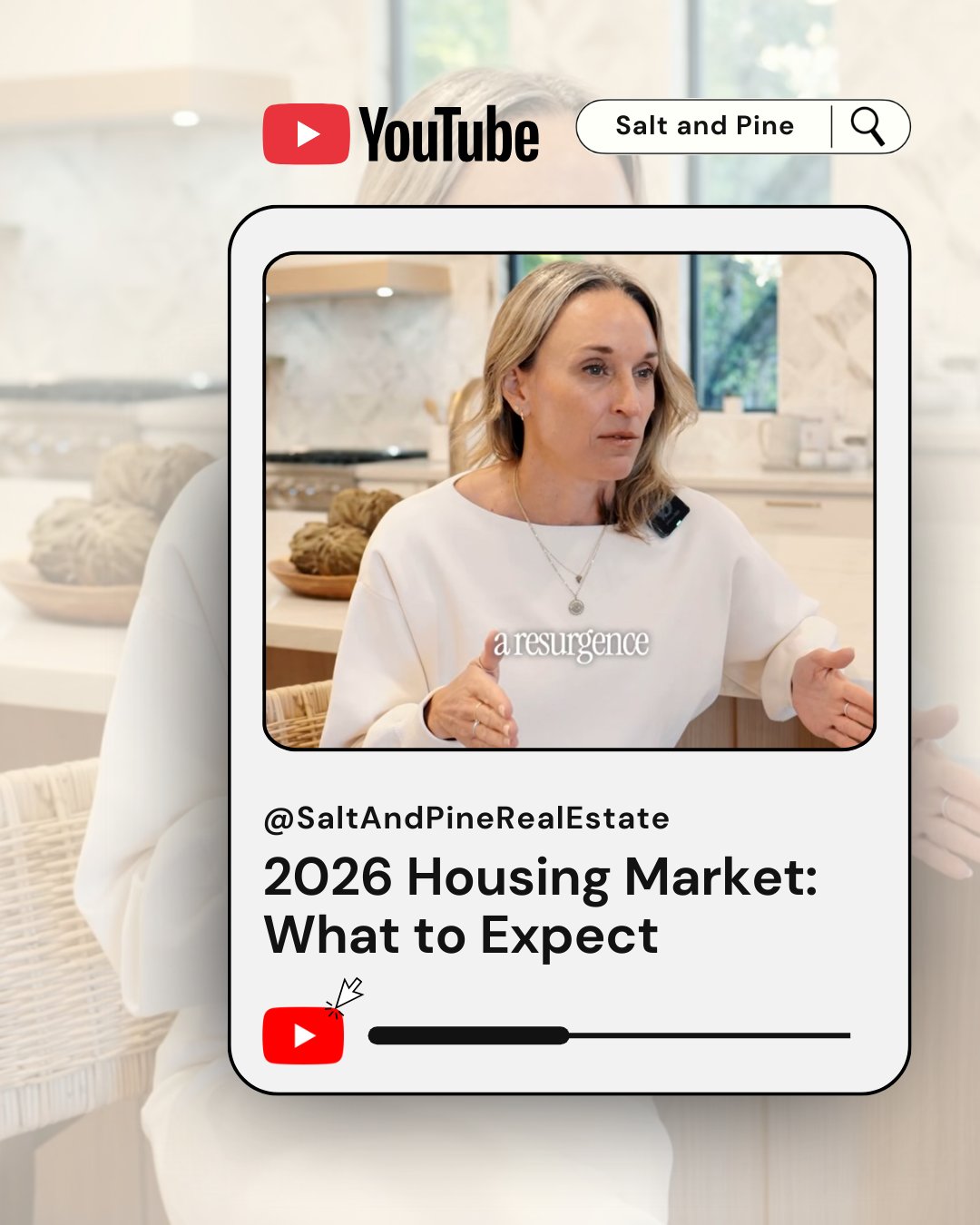
As we move into the 2026 spring housing season, the San Francisco and East Bay real estate markets are showing a unique mix of strong demand, rising prices, and shifting buyer behavior.
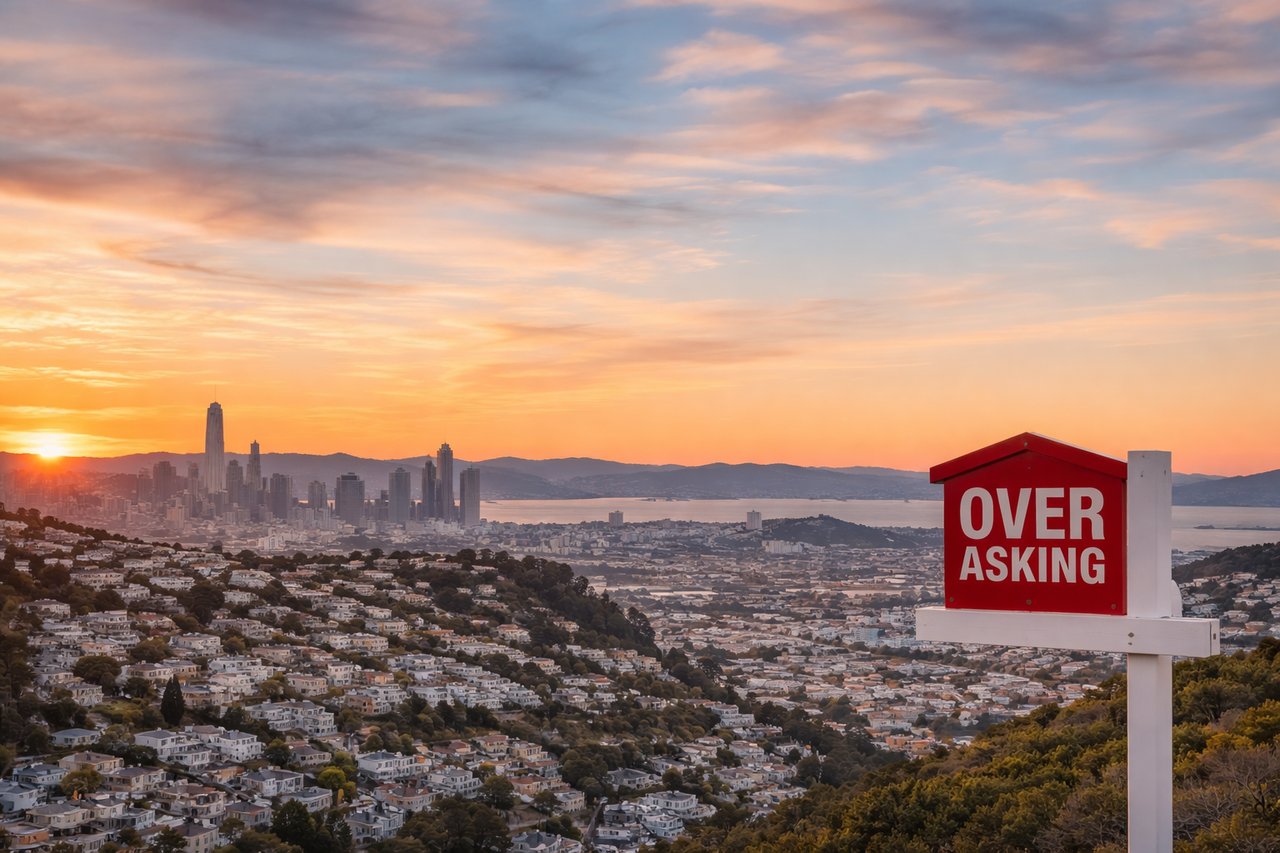
At Salt & Pine, we’re closely tracking these trends—and in some cases, we’re seeing homes sell significantly above asking price in prime neighborhoods.
So what’s really happening in the Bay Area housing market? And what does it mean for buyers and sellers in 2026?
Back in late 2025, we predicted two major forces would shape the San Francisco real estate market:
Today, we’re already seeing signs of both.
San Francisco continues to lead market momentum, while the East Bay often follows a few months behind. As pricing strength and competition return to the city, the key question becomes:
How quickly will this momentum spread across the Bay Area in 2026?
While many parts of the country are shifting toward a more balanced market, prime San Francisco neighborhoods are telling a very different story.
Areas like Noe Valley, Inner Sunset, and Inner Richmond are seeing:
When the right property hits the market—well-located, well-prepared, and aligned with buyer demand—competition remains incredibly strong.
One of the biggest shifts in real estate right now is how homes are marketed before hitting the MLS.
Platforms like Zillow Preview allow agents to:
For sellers:
For buyers:
“Coming Soon” is no longer just off-market—it’s becoming a strategic phase of exposure.
The housing market in 2026 is being shaped not just locally, but globally.
Current factors include:
While experts don’t expect dramatic policy changes from the Fed, uncertainty alone is enough to slow buyer decision-making—especially at the start of the spring market.
The takeaway: Rates matter, but uncertainty is the bigger story.
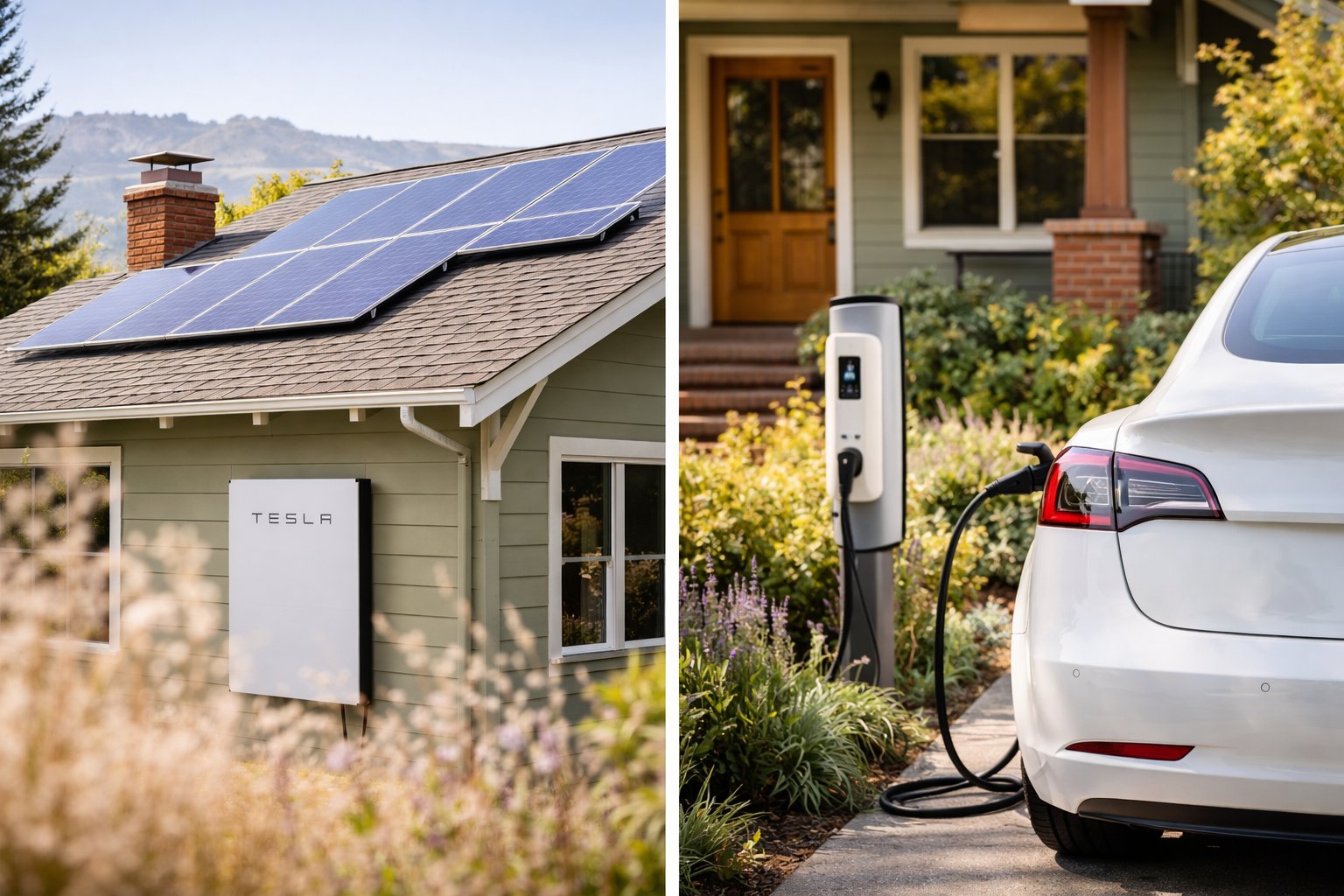
Starting in 2026, Berkeley’s Building Emissions Saving Ordinance (BESO) will introduce meaningful changes for homeowners and sellers.
This marks a shift beyond traditional disclosures—energy efficiency is now part of how homes are evaluated, marketed, and negotiated.
The East Bay market remains competitive overall, but conditions vary significantly depending on location, price point, and property type.
While headlines may point in one direction, real estate remains highly local.
Opportunities depend on:
Understanding these micro-market dynamics is key to making smart decisions in 2026.
Are homes in San Francisco still selling over asking in 2026?
Yes. In prime neighborhoods, strong demand and limited desirable inventory are leading to competitive offer situations and, in some cases, sales above list price.
What is a Coming Soon listing?
A Coming Soon listing is a property marketed before its full MLS launch, allowing agents and sellers to build early visibility and buyer demand.
How do mortgage rates affect Bay Area buyers?
Higher rates can reduce affordability and slow decision-making, but demand still varies significantly depending on the neighborhood.
What is Berkeley BESO?
Berkeley BESO is a local ordinance that introduces energy assessment and disclosure requirements for certain home sales starting in 2026.
Is Alameda County a buyer’s or seller’s market?
Alameda County remains in seller’s market territory, although inventory is beginning to increase.
Is Contra Costa County cooling down?
Yes, the market is cooling slightly compared to peak conditions, but it still remains competitive overall.
At Salt & Pine, we help buyers and sellers navigate complex market conditions with clarity and strategy.
If you’re thinking about buying or selling in San Francisco or the East Bay, we’d love to connect.
Stay up to date on the latest real estate trends.
Let us guide you through every step of your real estate journey.