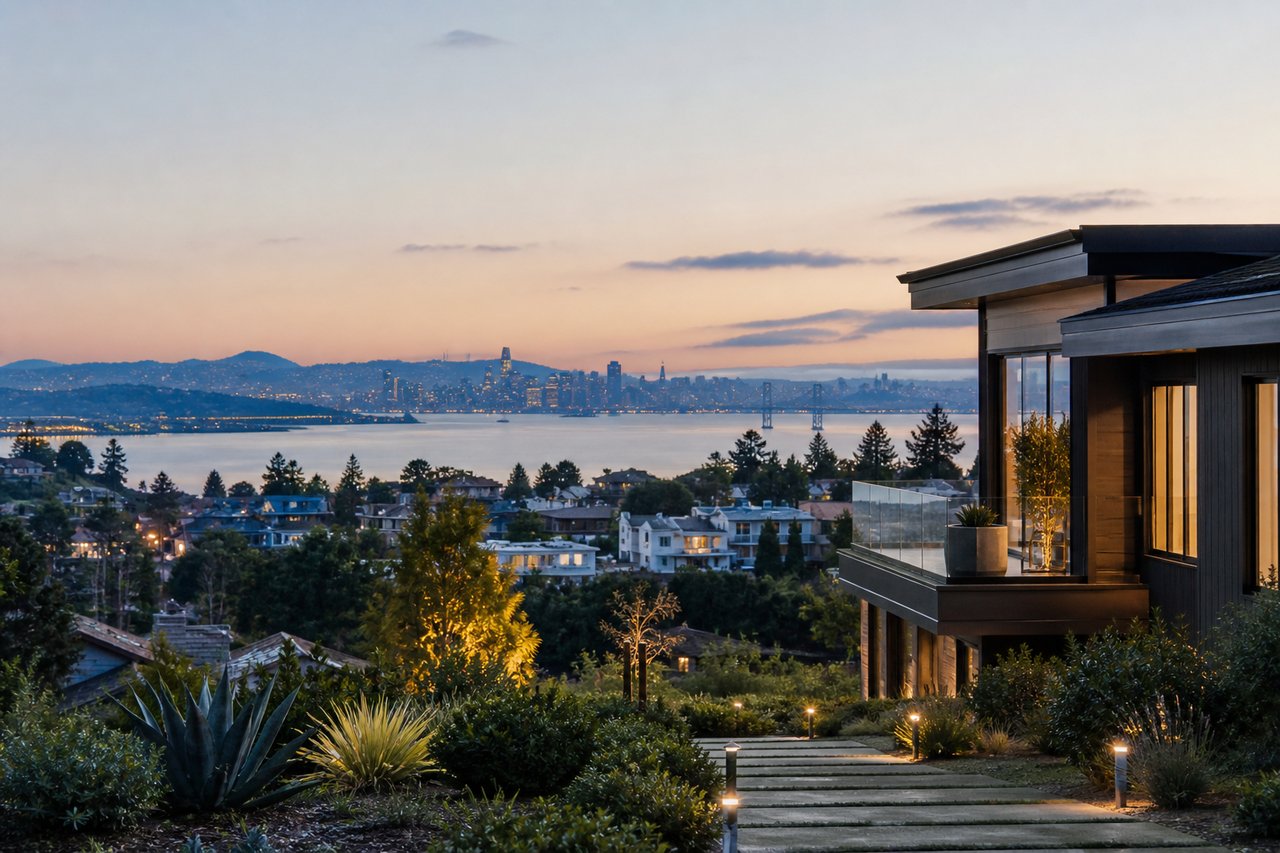
What’s Driving the 2026 Housing Market? Interest Rates, Inflation & Bay Area Trends
Gretchen Roethle May 4, 2026
Gretchen Roethle May 4, 2026
A combination of macroeconomic forces and local demand shifts is shaping the 2026 real estate market. From rising energy prices to Federal Reserve policy, understanding these trends is key whether you're buying, selling, or investing.
According to the latest Salt & Pine update, three main forces are defining the market:
Home prices across the Bay Area remain resilient due to strong demand and limited inventory. However, one major shift is where buyers are choosing to go.
As San Francisco becomes increasingly competitive—with bidding wars and limited supply—buyers are turning to more affordable areas like the East Bay and Marin County.
👉 What this means: The East Bay is emerging as a major growth area, attracting buyers priced out of SF.
The Federal Reserve held interest rates steady at 3.5%–3.75% in April 2026, signaling caution amid ongoing inflation concerns.
At the same time:
👉 Key insight: Until inflation cools, expect borrowing costs to remain high, putting pressure on affordability.
One of the less obvious—but critical—drivers of the housing market right now is energy.
Oil prices have surged above $120 per barrel, driven by geopolitical tensions and supply disruptions.
👉 Bottom line: Energy markets are indirectly slowing housing demand while keeping prices elevated.
👉 Trend: The market is cooling slightly, but still favors sellers—for now.
Yes—but not dramatically.
Recent data shows:
👉 Watch for: If demand continues to soften, prices may begin to adjust.
👉 Strategy tip:
Beyond real estate, the Bay Area continues to offer vibrant community events:
The market isn’t crashing—but it is evolving.
👉 Final takeaway:
This is a strategic market, not an easy one. Success depends on timing, local knowledge, and understanding macro trends.
It depends on your financial situation. While rates are high, less competition in some areas may create opportunities.
Low inventory continues to limit supply, keeping prices elevated even as demand softens.
Higher oil prices increase inflation, which keeps interest rates high and raises construction costs.
The East Bay and surrounding suburban areas are seeing increased demand as buyers move away from San Francisco.
Stay up to date on the latest real estate trends.



Let us guide you through every step of your real estate journey.