Berkeley BESO Rules in 2026 for East Bay Homeowners
Gretchen Roethle March 17, 2026
Gretchen Roethle March 17, 2026
Starting January 1, 2026, Berkeley’s Building Emissions Saving Ordinance (BESO) introduces major changes that directly impact homeowners, buyers, and real estate professionals. This guide explains everything you need to know to stay compliant and optimize your property for the future.
The Building Emissions Saving Ordinance (BESO) is a city initiative designed to reduce greenhouse gas emissions by improving energy efficiency in residential buildings.
Residential properties account for a significant portion of Berkeley’s emissions, making energy upgrades a key priority for the city’s climate goals.
These updates shift BESO from a simple assessment requirement to a performance-based compliance system.
Before listing your home, sellers must:
Failure to comply may result in a $500 penalty.
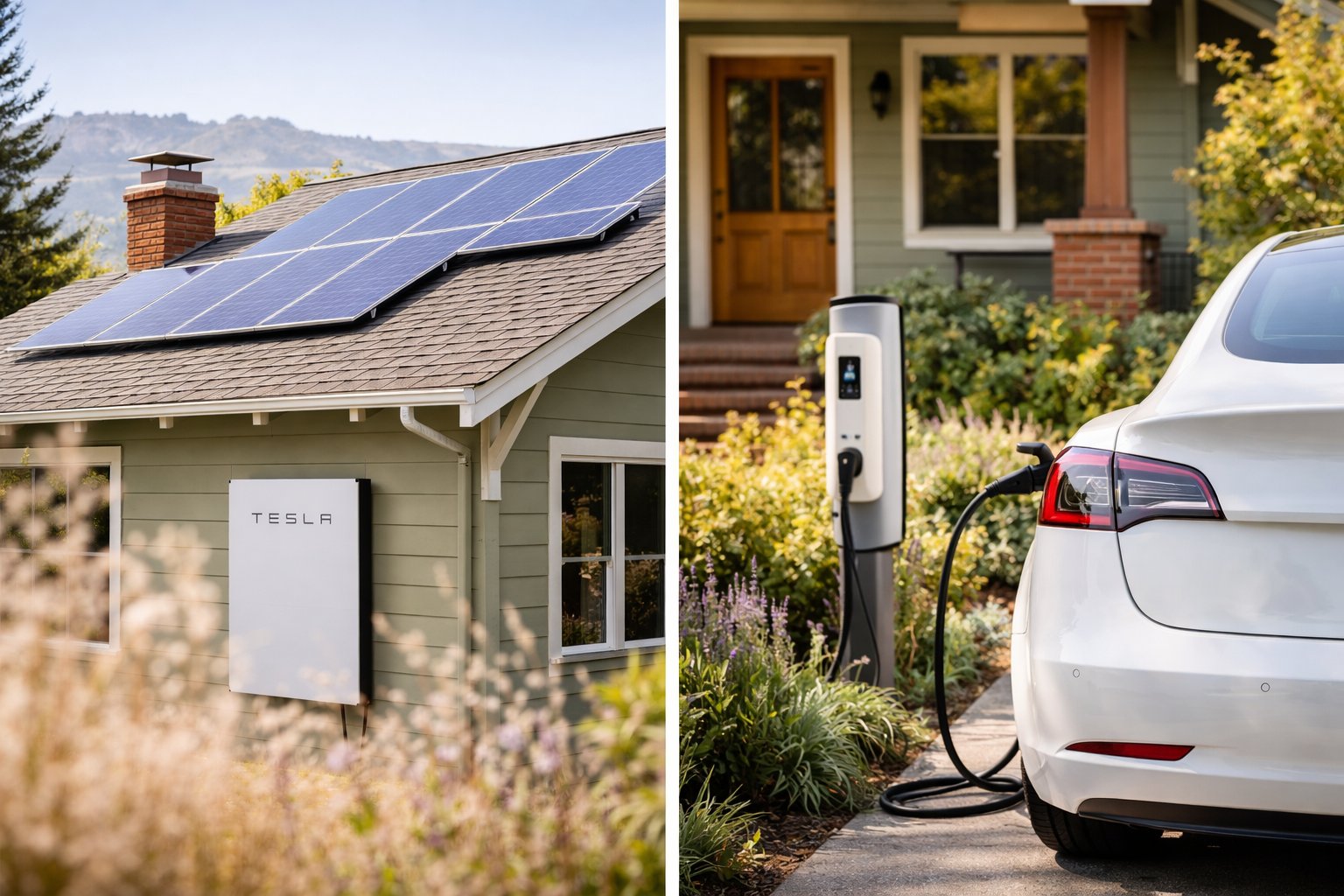
Homes must complete upgrades totaling at least 6 credits. These improvements can include:
This flexible system allows homeowners to choose upgrades based on budget and property conditions.
This flexibility helps align compliance with financial and strategic goals.
The 2026 BESO update is more than regulation—it’s a shift toward:
Homes with completed upgrades may become more attractive to buyers and better positioned in the market.
Berkeley’s 2026 BESO requires:
Whether you're buying or selling, planning is essential. Understanding BESO ensures compliance, avoids penalties, and positions your property for Berkeley’s energy-efficient future.
Yes. Sellers must complete the assessment before listing the property.
Homes must achieve at least 6 upgrade credits.
Yes, but they must complete them within 2–3 years after purchase.
You may face financial penalties and delays in the sale process.
Stay up to date on the latest real estate trends.



Let us guide you through every step of your real estate journey.